European Federation of Journalists

openMedia, investigating press freedom

Title of the project : openMedia, investigating press freedom
Lead Applicant
: openDemocracy

Partner organisations : EFJ, Index on censorship, King’s College London

The recently launched openMedia project aims to investigate and expose commercial interference in editorial decisions. The project is run by openDemocracy with the European Federation of Journalists (EFJ) as a partner alongside the Index on Censorship and King’s College London.

The project believes that there has not been enough of a concerted, ongoing spotlight on the extent and effects of commercial influence over the media, despite the dangerous consequences it poses for press freedom. For now, the project focuses on 47 countries across Europe but also has ambitions to expand.

Despite the recent launch, the project is adamant that it is not a response to the “fake news” hype of the past year or so. Rather, the project responds to scandals of commercial sponsors influencing media content; for example the Daily Telegraph’s suppression of investigations into its advertiser HSBC; and allegations that Buzzfeed deleted articles which advertisers found unfavourable.

According to the project, this power dynamic can suppress investigations of banks, pharmaceuticals, agriculture, fossil fuel giants, energy companies and other big businesses.

In addition, the project recognizes how for many readers, “sponsored content” is difficult to distinguish from genuine news content. The project therefore aims to clarify the commercial interests apparent in media to readers, and as part of the project, King’s College London will develop digital tools to help readers be better informed about news sources.

The findings of the project will be used to campaign for greater transparency and press freedom in news organisations and to empower journalists to advocate for transparency.

In order to do this, openMedia is currently conducting a confidential and anonymous survey of journalists across Europe, asking about their own working practices and experiences of commercial pressure inside newsrooms. The survey is available in English here and in many other languages here.
Actions

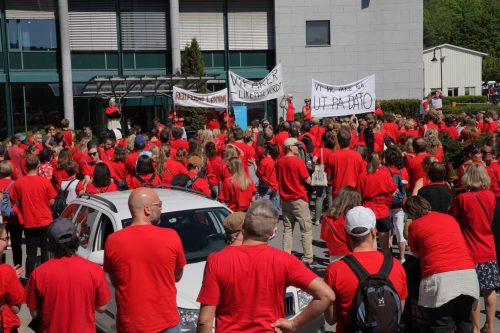
Broadcasting strike in Norway ends in full victory for journalists

After negotiations for a collective agreement with the Norwegian Public Broadcasting (NRK), the Norwegian Union of Journalists (NJ) managed to win on all main demands on 23 May 2018 in Oslo. The 1700 journalist members of the NJ at the Norwegian Public Service Broadcasting NRK had gone on strike on 15 May 2018, after initial negotiations and mediation had not led to a new collective agreement. The public service broadcasting NRK is the largest media house in Norway, with 3400 employees. After eight days of renewed negotiations workers of the NJ and NRK came to an agreement: competence enhancement and training…

Media freedom is top priority, says government of Republic of Macedonia

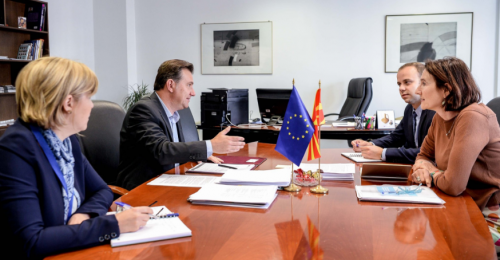
The European Federation of Journalists (EFJ) was invited to meet important stakeholders on media including the leadership of the host, the Association of Journalists of Macedonia (AJM)  on 8-9 May 2018 in Skopje. The meetings were part of a project on building capacity of  the AJM. The EFJ also met Tamara Chausidis, the President of the Trade Union Of Macedonian Journalists And Media Workers (SSNM) and some photo journalists  to coordinate common work and discuss some major challenges photo journalists face in Macedonia. On 9 May, Renate Schroeder, EFJ Director together with Dragan Sekulovski, Director of the AJM met with Robert Popovski,…

EFJ’s expert group’s report on journalists’ working conditions

A new report about journalists’ labour rights in Europe was published by the Labour Rights Experts Group Plus (LAREG+) of the European Federation of Journalists (EFJ) on May 2018. It contains national reports about journalists’ labour rights from the following countries: Albania: Without support for increased labour rights and protections for freedom of expression, trust in media cannot be increased. Bosnia & Herzegovina: It is believed that bad working conditions also affect the quality of journalism. If the pay were higher and working conditions were better, this would have a positive effect on journalism. Kosovo: Media owners should provide working…

EFJ calls for investigation into death of Russian journalist Maksim Borodin

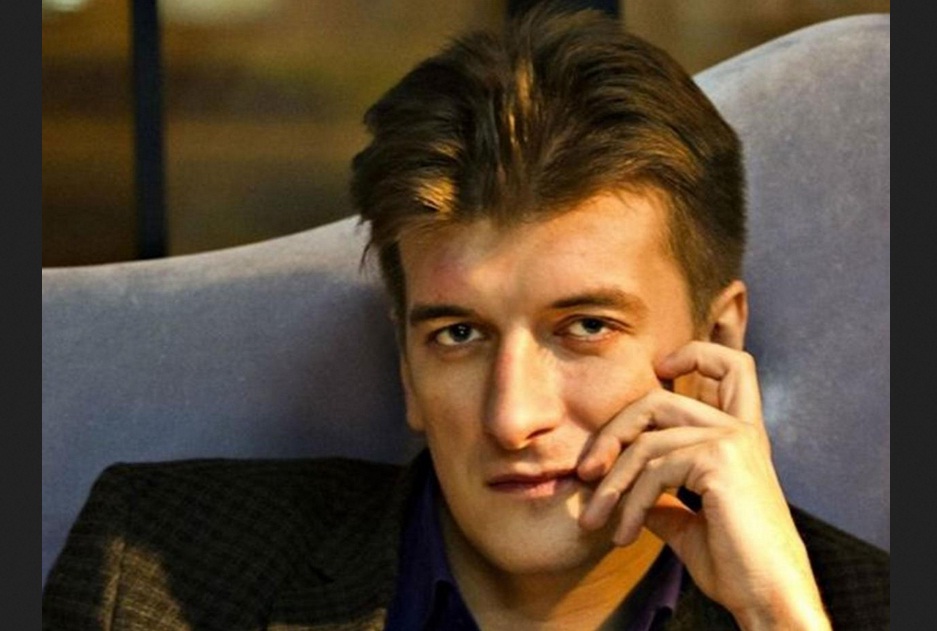
The European Federation of Journalists (EFJ) calls again for an investigation into the suspicious death of Russian journalist Maksim Borodin. From Ekaterinburg (Ural, Russia), where he is attending the EU International Conference on Professional Standards and Ethics of Journalism in the Digital Age, the EFJ General Secretary Ricardo Gutiérrez calls on Russian authorities to conduct a thorough investigation into the death of Maksim Borodin. He died a month ago, after falling from the balcony of his fifth-floor apartment, on 12 April in Ekaterinburg. “It is not the first time we face such a “mysterious” death in Russia. Public authorities should…

RIA Novosti journalist held on treason allegations in Ukraine

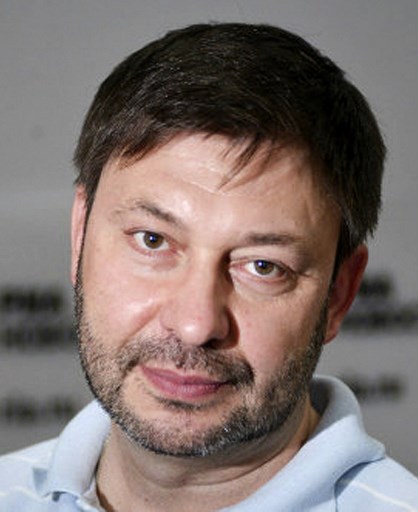
The EFJ-IFJ has submitted the following alert to the Council of Europe’s platform to promote the protection of journalism and safety of journalists : Kyrylo Vyshynsky, a Ukrainian journalist working for Russia’s state-run news agency RIA Novotsi in the Ukrainian capital Kyiv, was detained on 15 May 2018 on allegations of treason. His arrest came hours before raids by Ukrainian security service (SBU) at the news agency’s offices. According to media reports, the authorities suspected Vyshynsky, who was granted Russian citizenship in 2015 by Presidential decree, of allegedly collaborating with Ukrainian armed separatists in Eastern Ukraine. The prosecuting officials in…

Investigative reporter Pavla Holcova’s phone seized after eight-hour interrogation related to Jan Kuciak’s murder

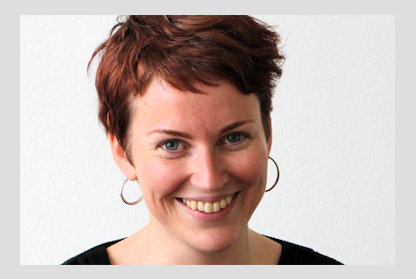
Investigative journalist Pavla Holcova, former colleague of Jan Kuciak and founder of the Czech Center for Investigative Reporting, was interrogated by the Slovak National Crime Agency during eight hours on Tuesday 15 May, after which her phone was seized. Ms Holcova had been working with Jan Kuciak on behalf of the Organized Crime and Corruption Reporting Project (OCCRP) when he was murdered and had therefore previously helped police telling what she knew. She first believed this new summons was another meeting to help investigating the murder of Jan Kuciak. But the interrogation lasted over eight hours and was not about Kuciak’s killing. In…