European Federation of Journalists

openMedia, investigating press freedom

Title of the project : openMedia, investigating press freedom
Lead Applicant
: openDemocracy

Partner organisations : EFJ, Index on censorship, King’s College London

The recently launched openMedia project aims to investigate and expose commercial interference in editorial decisions. The project is run by openDemocracy with the European Federation of Journalists (EFJ) as a partner alongside the Index on Censorship and King’s College London.

The project believes that there has not been enough of a concerted, ongoing spotlight on the extent and effects of commercial influence over the media, despite the dangerous consequences it poses for press freedom. For now, the project focuses on 47 countries across Europe but also has ambitions to expand.

Despite the recent launch, the project is adamant that it is not a response to the “fake news” hype of the past year or so. Rather, the project responds to scandals of commercial sponsors influencing media content; for example the Daily Telegraph’s suppression of investigations into its advertiser HSBC; and allegations that Buzzfeed deleted articles which advertisers found unfavourable.

According to the project, this power dynamic can suppress investigations of banks, pharmaceuticals, agriculture, fossil fuel giants, energy companies and other big businesses.

In addition, the project recognizes how for many readers, “sponsored content” is difficult to distinguish from genuine news content. The project therefore aims to clarify the commercial interests apparent in media to readers, and as part of the project, King’s College London will develop digital tools to help readers be better informed about news sources.

The findings of the project will be used to campaign for greater transparency and press freedom in news organisations and to empower journalists to advocate for transparency.

In order to do this, openMedia is currently conducting a confidential and anonymous survey of journalists across Europe, asking about their own working practices and experiences of commercial pressure inside newsrooms. The survey is available in English here and in many other languages here.
Actions

Freedom of the media more important than ever

by Mogens Blicher Bjerregård – EFJ President The truth is the first victim of a conflict, and right now, we have such victims in Europe. Most recently, the amendment in the Polish media law turning publish service media into more state control. As well, the record list counts the Hungarian media law removing the self-regulation system, public service media under attack in Spain and more dramatically, journalists beaten and jailed in bunches in countries like Turkey and Azerbaijan. More state control of the media will allow more hate speech leading to propaganda as seen during the conflict between Russia and…

Digitisation at the workplace

On 23 February, the ETUC organised a workshop on digitisation for its members at national level and the European industry federations including the EFJ. Esther Lynch, ETUC Confederal Secretary explained the challenges and methods regarding the recognition of employment relationship for digital workers and the different definitions of worker and employee throughout the European Union. She asked whether the ETUC should advocate for a Directive for online platform workers. While online work in the medical sector for example is heavily regulated, most other sectors lack complete regulation. Lynch said when it comes to freelance journalists it may be more useful…

Greek journalists denied access to cover police operation against refugees

The Journalists’ Union of Macedonia and Thrace Daily Newspapers (ESIEMTH, EFJ affiliate) is reporting another incident of journalist and his TV crew being removed from the camp build for refugees in Idomeni (Greece) that occurred early morning on February 23, 2016. At around 05:30, the Greek police asked the TV crew including journalist Aphroditi Spilioti (member of ESIEMTH), a cameraman and a sound engineer working for the private broadcaster Αlpha Channel to leave the camp “for safety reasons”. The crew did move outside the perimeter of the refugee camp at Idomeni where they could possibly still have a view on…

DIHA journalists regularly targeted by Turkish authorities

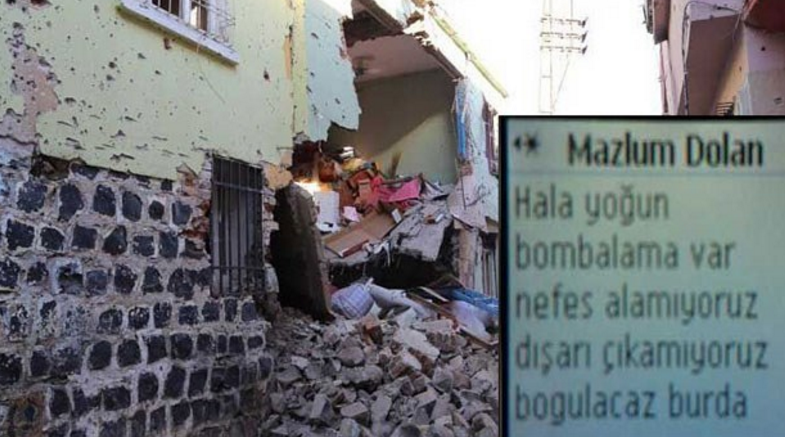
The European and International Federations of Journalists (EFJ-IFJ) are strongly concerned about the alerts they receive on a daily basis about DIHA journalists and media workers being permanently attacked, beaten, threatened or jailed by the Turkish authorities because of their news coverage in conflictual Kurdish populated areas in Southeastern Turkey. The most recent violation is related to Mazlum Dolan, DIHA press correspondent in the municipality of Sur (Diyarbakir), where the journalist was locked at the basement of a building under heavy firing. “We are under heavy bombing, we can’t breath and we can’t go out. We are going to suffocate…

Media should reflect on the way they portray women

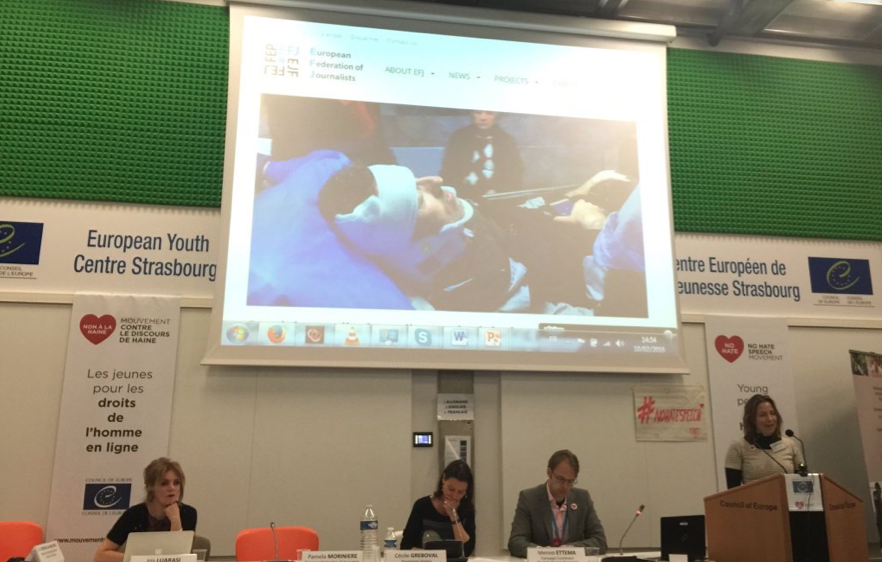
The European Federation of Journalists (EFJ) was invited to a seminar of the No Hate Speech Movement, linked to the implementation of the Gender Equality Strategy of the Council of Europe, that took place from 10 to 12 February at the European Youth Centre in Strasbourg. The issue of sexist hate speech is particularly acute for women journalists both off and online. Sexist forms of hate speech are direct manifestations of violence against women and girls, which remains the most pronounced expression of the uneven balance of power between women and men, one of the root causes of discrimination against…

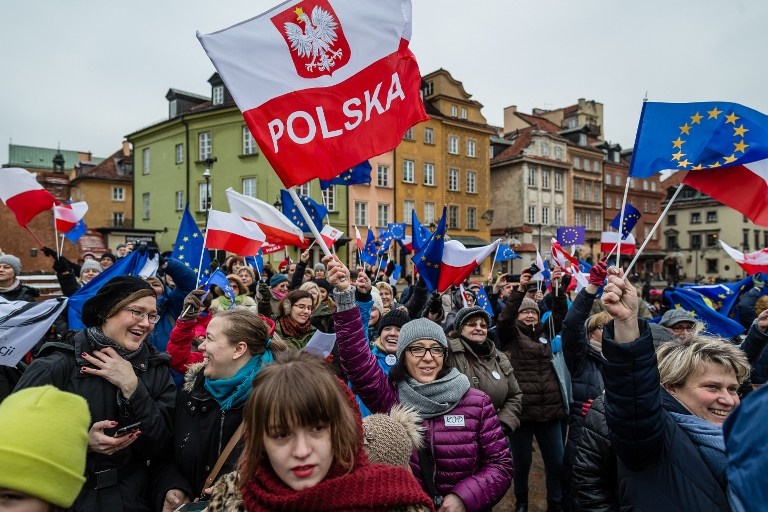
Commissioner Muižnieks calls on Poland to protect the independence of public media

The Council of Europe Commissioner for Human Rights, Nils Muižnieks, issued a statement today, at the end of a four-day visit to Poland. He expressed concerns at the adoption in December 2015 of transitional legislation in the field of public service media, pending the adoption of a wider reform in this area, expected before the summer 2016. “Placing public service media under direct government control by giving the latter the powers to appoint and dismiss the members of the supervisory and management boards of public service television and radio contradicts Council of Europe standards which notably require that public service media…