European Federation of Journalists

IFJ-EFJ Regional Development Fund

Czech Republic


The European Federation of Journalists (EFJ) signed an agreement on 18 December 2014 with the Union of Journalists and Media Workers of Czech Republic (OSNPM) in order to investigate the working conditions of Czech journalists and media workers. The project is implemented with the cooperation of Judith Reitstatter, from the Austrian union GPA-djp.

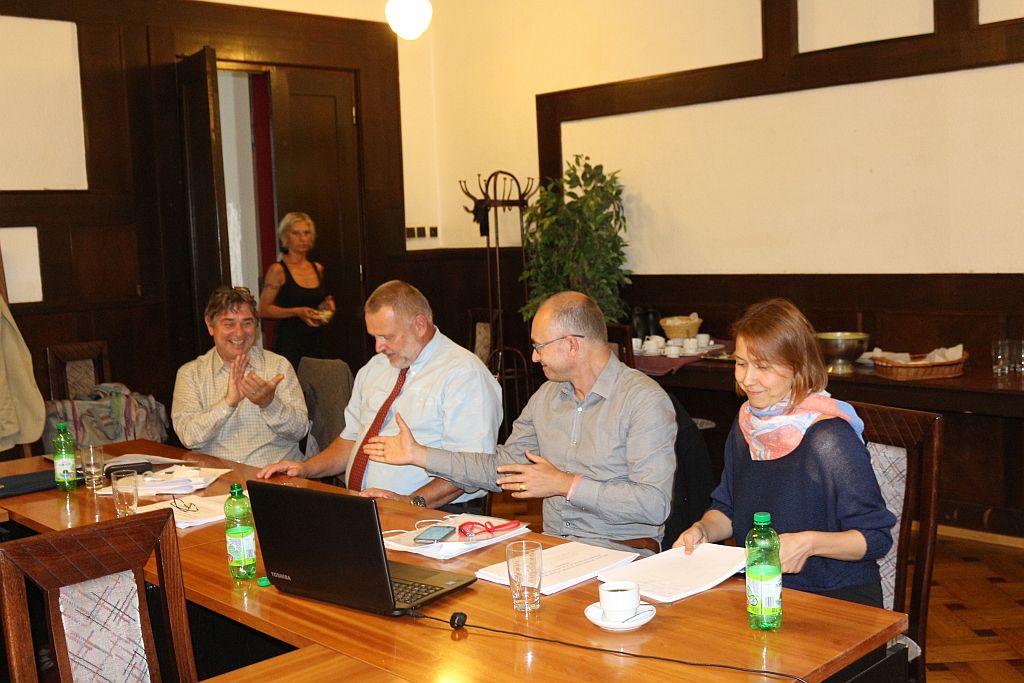
The online survey was launched on 19 May 2015. Around 2,500 journalists and media workers were invited to participate to the survey. The EFJ, OSNPM and GPA-djp analysed together the main outcomes of the survey during a round table conference, on 19 August 2015, in Prague.

The questionnaire focus mainly on labour rights. “This area is underestimated by the Czech media, journalists themselves and their employers as well,” explains Zdeněk Kučera, chairman of OSNPM.

“Over the past 25 years, journalists’ attention was focused primarily toward freedom of speech, access to information, relations with media ownership and the development of media houses. These are very serious topics. However, journalists’ status remained grossly underrated. A specific problem is the status of freelance journalists, which are increasingly numerous, particularly in regional media.”

The main findings of the survey are available on the EFJ website, here.
FOCUS EFJ

Side event of our project: a high school magazines national competition (Nejinspirativnější středoškolský časopis 2015). Here are the winners (picture credit: F. Cakl):

Czech

Contact details: OSNPM, e-mail: odborovy-svaz-novinaru@seznam.cz, website: http://www.odborovysvaznovinaru.cz


Slovakia

The European Federation of Journalists (EFJ), its Austrian union GPA-djp and the Slovak Union of Journalists (Slovenský syndikát novinárov) organized a meeting in Vienna, on 30 October 2014. Trade unionists and media students from both countries met in GPA-djp offices, in Vienna. The discussion on media convergence was launched by Dr. Roman Hummel, from the university of Salzburg.

Contact details: Judith Reitstaetter, judith.reitstaetter (at) gpa-djp.at


Estonia

The European Federation of Journalists (EFJ), the Estonian Union of Journalists (Eesti Ajakirjanike Liit, EAL) and the Union of Journalists in Finland (Suomen Journalistiliitto, UJF) agreed on 6 February 2015 to jointly implement the project “Workshops to Strengthen Journalists’ organisation in Estonia”.

The main objective of the project is to strengthen journalists’ organisation in Estonia, through three activities:

  • a freelance workshop in Helsinki,
  • a radio & TV negotiators workshop in Helsinki,
  • an authors’ rights seminar in Tallinn.

An action plan will be proposed for the next period.

Contact details: Juha Rekola, Juha.Rekola (at) journalistiliitto.fi, and Helle Tiikmaa, helle (at) eal.ee
 

Actions

Ukraine: two journalists found killed in Bucha and Yahidne

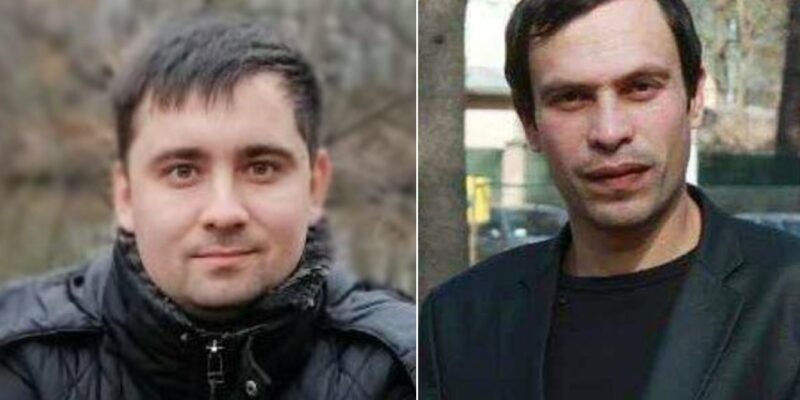
Two journalists, Roman Nezhyborets and Zoreslav Zamoysky, were found killed in Bucha and Yahidne, following withdrawal of the Russian forces from the region. Roman Nezhyborets’ body was found buried in the northern village of Yahidne, and Zamoysky’s body was found in Bucha, near Kyiv. Nezhyborets worked as a video editor for Dytynets, a privately owned TV broadcaster. Russian forces occupied Yahidne on 5 March. Nezhyborets, who was sheltered with his family in Yahidne, attempted to hide evidence of his work with Dytynets, and called his mother to ask that she notify his friends and colleagues that he should be removed…

Kosovo welcomes its first Ukrainian journalist in exile

On Sunday, together with the government of Kosovo, the European Center for Press and Media Freedom (ECPMF), the European Federation of Journalists (EFJ) and its affiliates in Kosovo and Ukraine, AJK, NUJU and IMTUU, welcomed in Pristina Lyudmila Makey, first Ukrainian journalist to be hosted in Kosovo. She was forced to leave her country and will continue her journalistic work from Pristina. This initiative is part of the programme of sheltering Ukrainian journalists in exile launched on 1 March by the Kosovo government. The EFJ calls on other European governments to follow Kosovo’s example. On 17 April, Albin Kurti, the Prime…

Ukraine: the three solidarity centers for journalists are open

Solidarity centers just launched by the National Union of Journalists of Ukraine (NUJU), with the support of the International and European Federations of Journalists (IFJ-EFJ), and the Independent Media Trade Union of Ukraine (IMTUU), will help journalists to continue their work during the war in Ukraine. The project was made possible by the IFJ-EFJ appeal for donations. NUJU is launching a network of journalistic solidarity centers to help media workers during the war. These centers are open in Lviv, Ivano-Frankivsk and Chernivtsi, in the headquarters of the regional organisations of NUJU. The centers are open to all journalists operating in…

New report calls for more diversity in talents in journalism

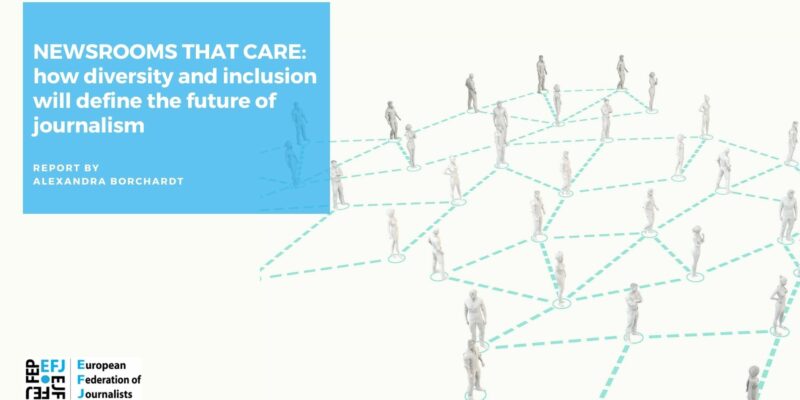
 Download the report  The future of journalism depends on the diversity of talents in the industry, says a new report published by the European Federation of Journalists (EFJ) entitled “Newsrooms that care: how diversity and inclusion will define the future of journalism”. Diversity_reportAuthored by Alexandra Borchardt, a former journalist and senior research associate at the Reuters Institute, the 10-page paper presents some good practice examples and recommendations for achieving greater diversity and equality in newsrooms in the light of the ongoing digital transformation. “Media organisations and managers should be aware of the fact that making newsrooms more diverse and inclusive…

Romania: Independent investigation needed into harassment campaign against journalist Emilia Șercan

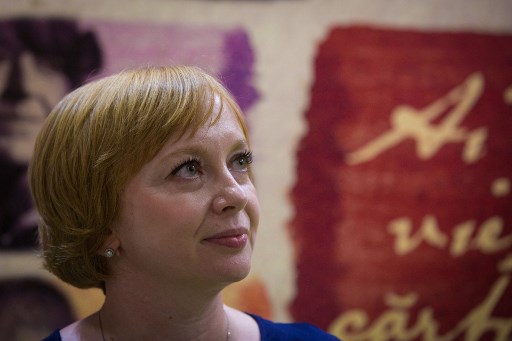
The European Federation of Journalists (EFJ) joined nine European and international press freedom and freedom of expression organisations, members of the Media Freedom Rapid Response (MFRR) and their partners, have reacted to the harassment of Emilia Șercan, expressing serious concerns about the case and its implications for media freedom in Romania. Today, the ten organisations sent an open letter to the Romanian authorities calling for swift and independent investigations. The letter recalls that the threats and harassment of Șercan are set against a background of recent aggression and undue pressure against journalists and media workers in Romania coming from politicians,…

New MFRR report in the Netherlands: advancing protection and prevention amidst rising threats

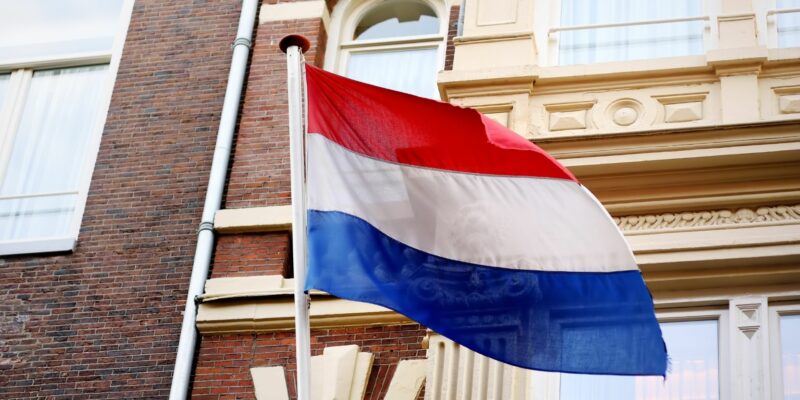
Today, the Media Freedom Rapid Response (MFRR) publishes “Towards a safer haven: Advancing safety of journalists amidst rising threats in the Netherlands”. Following interviews with more than twenty local stakeholders, the MFRR concludes that policy and practice around the safety of journalists in the Netherlands in many ways constitutes a best practice example, thanks to its pioneering PersVeilig mechanism. Nevertheless, there remains a need to strengthen several areas to better protect journalists and media workers against the increasingly hostile climate pursuant to intensified societal polarisation and threats emanating from organised crime. The report details the findings and recommendations of the…