European Federation of Journalists

IFJ-EFJ Regional Development Fund

Czech Republic


The European Federation of Journalists (EFJ) signed an agreement on 18 December 2014 with the Union of Journalists and Media Workers of Czech Republic (OSNPM) in order to investigate the working conditions of Czech journalists and media workers. The project is implemented with the cooperation of Judith Reitstatter, from the Austrian union GPA-djp.

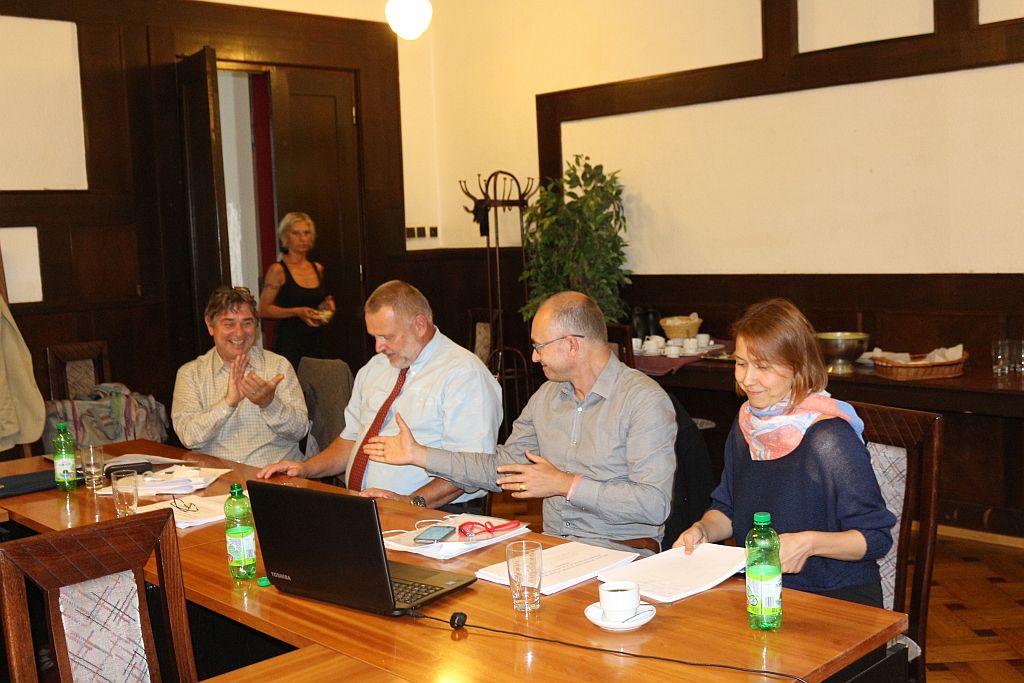
The online survey was launched on 19 May 2015. Around 2,500 journalists and media workers were invited to participate to the survey. The EFJ, OSNPM and GPA-djp analysed together the main outcomes of the survey during a round table conference, on 19 August 2015, in Prague.

The questionnaire focus mainly on labour rights. “This area is underestimated by the Czech media, journalists themselves and their employers as well,” explains Zdeněk Kučera, chairman of OSNPM.

“Over the past 25 years, journalists’ attention was focused primarily toward freedom of speech, access to information, relations with media ownership and the development of media houses. These are very serious topics. However, journalists’ status remained grossly underrated. A specific problem is the status of freelance journalists, which are increasingly numerous, particularly in regional media.”

The main findings of the survey are available on the EFJ website, here.
FOCUS EFJ

Side event of our project: a high school magazines national competition (Nejinspirativnější středoškolský časopis 2015). Here are the winners (picture credit: F. Cakl):

Czech

Contact details: OSNPM, e-mail: odborovy-svaz-novinaru@seznam.cz, website: http://www.odborovysvaznovinaru.cz


Slovakia

The European Federation of Journalists (EFJ), its Austrian union GPA-djp and the Slovak Union of Journalists (Slovenský syndikát novinárov) organized a meeting in Vienna, on 30 October 2014. Trade unionists and media students from both countries met in GPA-djp offices, in Vienna. The discussion on media convergence was launched by Dr. Roman Hummel, from the university of Salzburg.

Contact details: Judith Reitstaetter, judith.reitstaetter (at) gpa-djp.at


Estonia

The European Federation of Journalists (EFJ), the Estonian Union of Journalists (Eesti Ajakirjanike Liit, EAL) and the Union of Journalists in Finland (Suomen Journalistiliitto, UJF) agreed on 6 February 2015 to jointly implement the project “Workshops to Strengthen Journalists’ organisation in Estonia”.

The main objective of the project is to strengthen journalists’ organisation in Estonia, through three activities:

  • a freelance workshop in Helsinki,
  • a radio & TV negotiators workshop in Helsinki,
  • an authors’ rights seminar in Tallinn.

An action plan will be proposed for the next period.

Contact details: Juha Rekola, Juha.Rekola (at) journalistiliitto.fi, and Helle Tiikmaa, helle (at) eal.ee
 

Actions

Getting real about diversity and talent: 10 recommendations

Europe’s newsrooms are still predominantly white and middle class, though societies are changing at rapid speed. How to better reflect all members of the increasingly diverse European societies within Europe’s Media and public sphere is crucial; the issue of diversity and gender is and important element in EFJ’s project work. The European Federation of Journalists has published a new report about how to get newsrooms and editorial teams more diverse. As part of the EFJ project ‘Managing change in media’, supported by the European Commission, one of its contributors, Alexandra Borchardt, drafted ten recommendations for newsrooms to be more diverse,…

UK: BBC journalist wins landmark equal pay case

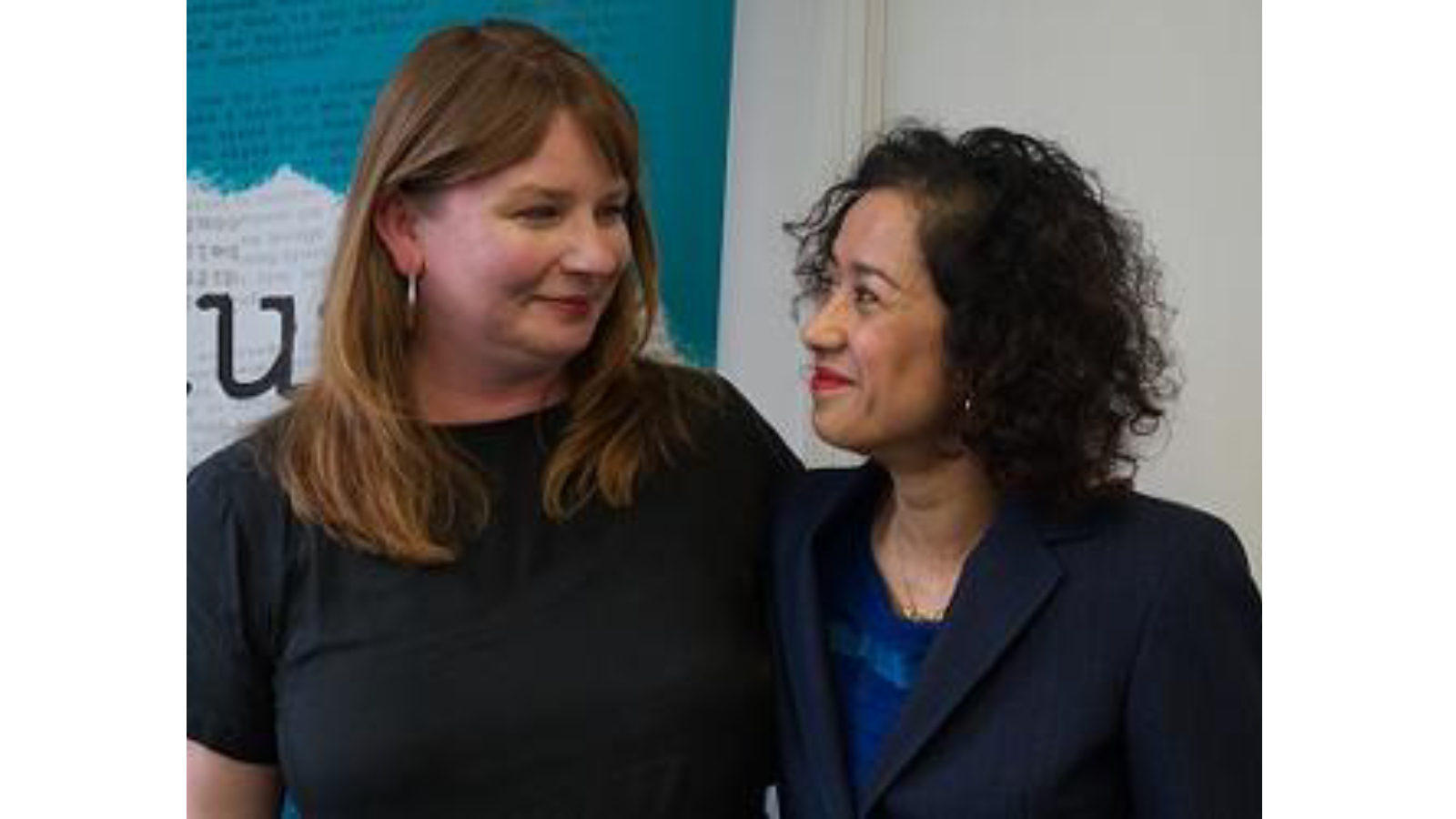
BBC presenter and National Union of journalists (NUJ) member Samira Ahmed today won a landmark equal pay victory against the BBC. The European and International Federation of Journalists (EFJ-IFJ) congratulate her and the NUJ for its excellent and inspiring work and hope this victory will encourage all women journalists seeking equal pay to make sure they are in a union and media employers to learn the lessons. Journalist Samira Ahmed, backed by the NUJ, first appeared at The Central London Employment Tribunal on Monday 28 October to challenge unequal pay at the BBC. The journalist has been presenting the BBC…

Spain: EFJ-IFJ stand for the defence of Madrid’s public broadcasting service

The European and International Federations of Journalists (EFJ and IFJ) join their Spanish affiliate Federación de Servicios a la Ciudadanía de CC.OO. in the call for the defence of Madrid’s public service broadcaster RTVM (Telemadrid and Onda Madrid) from the blocking situation its management is suffering by the regional government. The Government of the Community of Madrid has not been allowing the replacement of medical leaves for months, it has not yet authorised the broadcasting of women’s sport or second division football matches that have been taking place since 2017, nor has it approved the expense accepted in the Program Contract for…

How can journalists protect their mental health from online harassment?

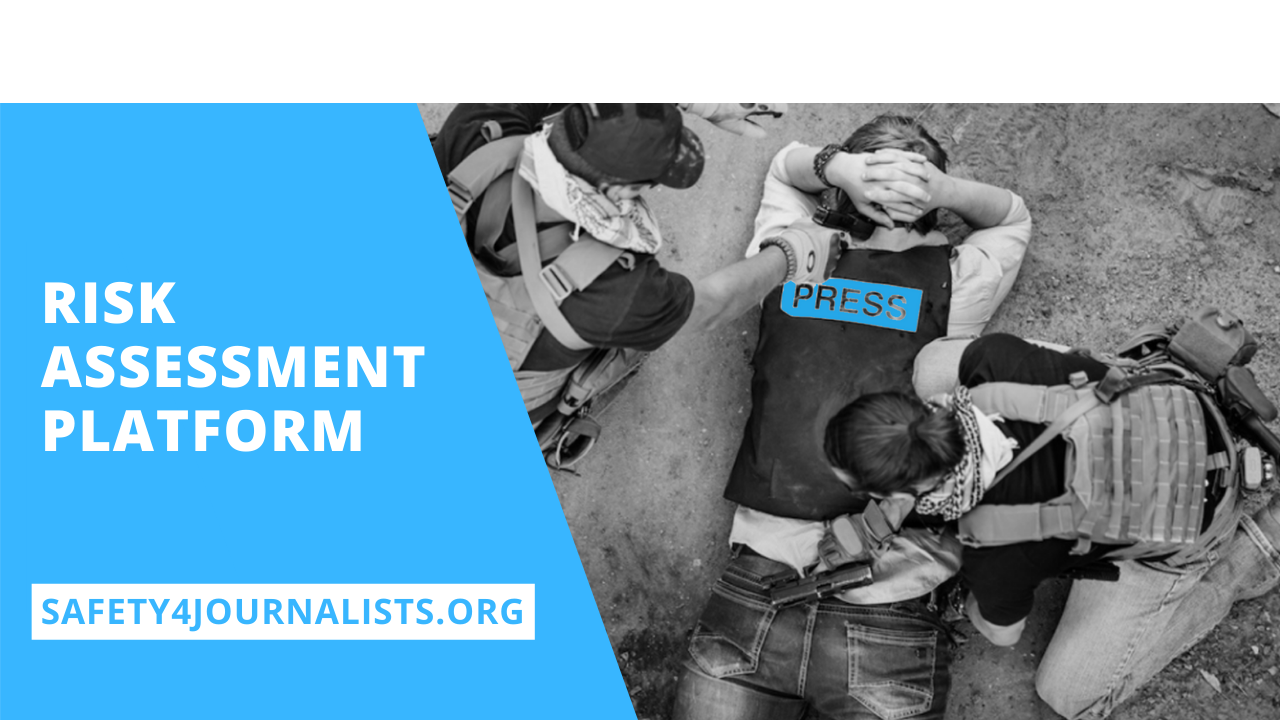
Journalists have always been in the spotlight and now, with the rise of the use of social media, they are one of the main targets for online harassment. These attacks often includes threats to the journalists themselves and their families and are most commonly directed to women and their biggest consequences are psychological, according to an IFJ survey. Anxiety, stress and fear are, together with self-censorship, the main effects of online harassment on journalists. The Committee to Protect Journalists (CPJ) has published a short guide on how journalists should protect themselves from this harassment: prevention measures to take in advance, how to…

George Foulkes: “A free media is as important to democracy as regular elections”

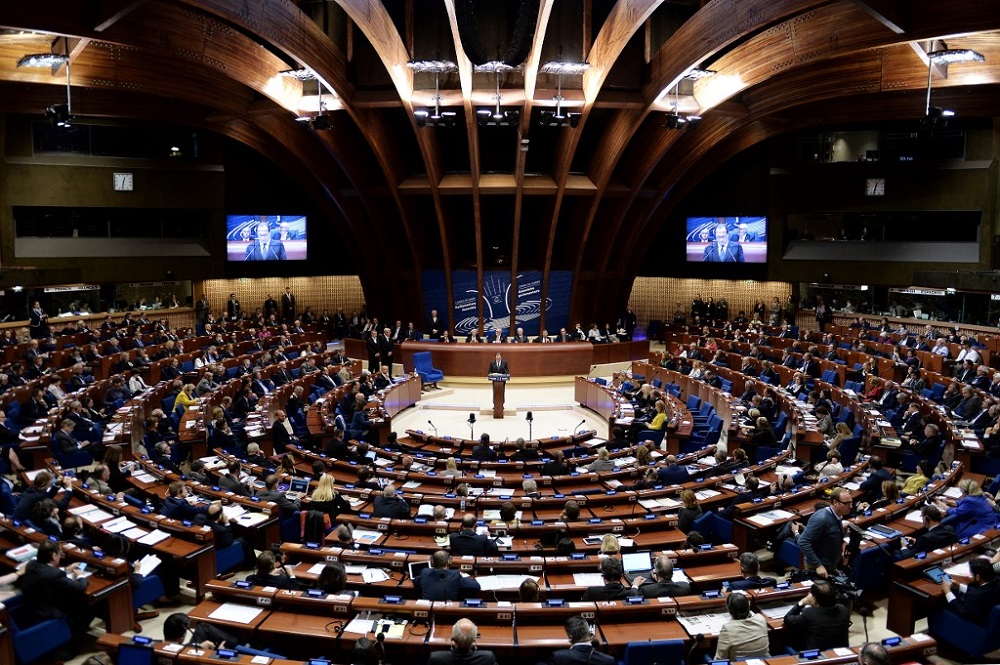
The European Federation of Journalists (EFJ) welcomes Council of Europe Rapporteur on media freedom George Foulkes‘ call for better protection for journalists in Europe. Over the past two years, George Foulkes, who is a British Labour Co-operative politician and former Scotland minister, has been investigating this issue as General Rapporteur on media freedom and the safety of journalists for the Parliamentary Assembly of the Council of Europe (Pace). His report points out that the Council of Europe Platform for the Protection of Journalism shows that the situation is getting worse in Europe. From 2015 to date, 26 journalists have been…

The arbitrary detention of Julian Assange set a dangerous precedent for journalists

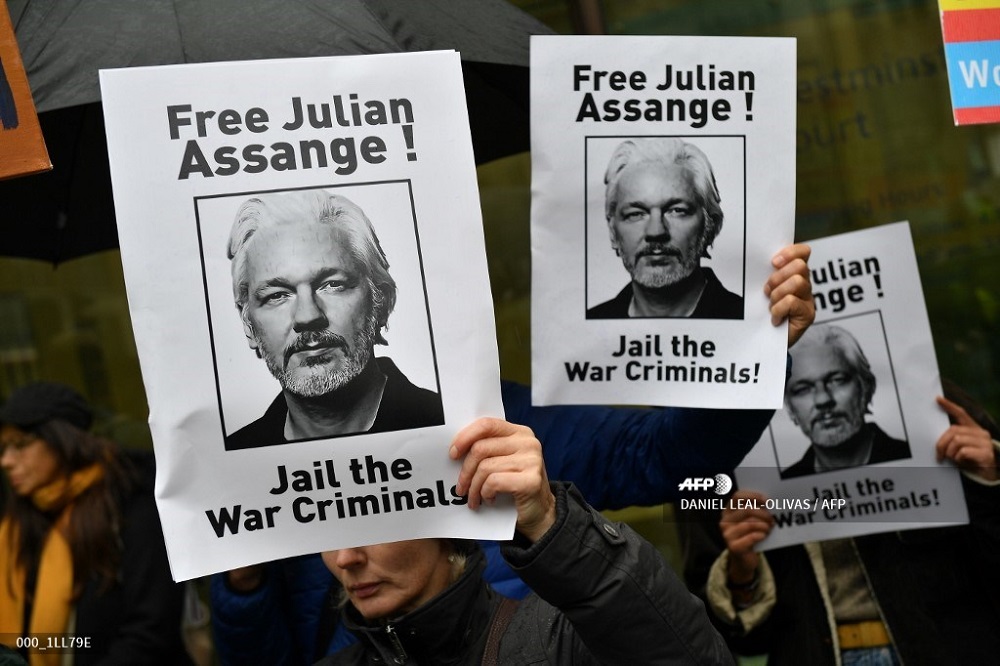
Julian Assange, publisher of Wikileaks, is currently detained in Belmarsh high-security prison in the United Kingdom. He faces extradition to the United States and criminal prosecution under the US Espionage Act. He has been charged for publishing the Afghanistan and Iraq war diaries and US embassy cables, important documents that many journalists around the world used and helped to publicise. The “War Diaries” provided evidence that the US Government misled the public about activities in Afghanistan and Iraq and committed war crimes. “We believe that the arbitrary detention and criminal prosecution of Julian Assange set an extremely dangerous precedent for…