European Federation of Journalists

IFJ-EFJ Regional Development Fund

Czech Republic


The European Federation of Journalists (EFJ) signed an agreement on 18 December 2014 with the Union of Journalists and Media Workers of Czech Republic (OSNPM) in order to investigate the working conditions of Czech journalists and media workers. The project is implemented with the cooperation of Judith Reitstatter, from the Austrian union GPA-djp.

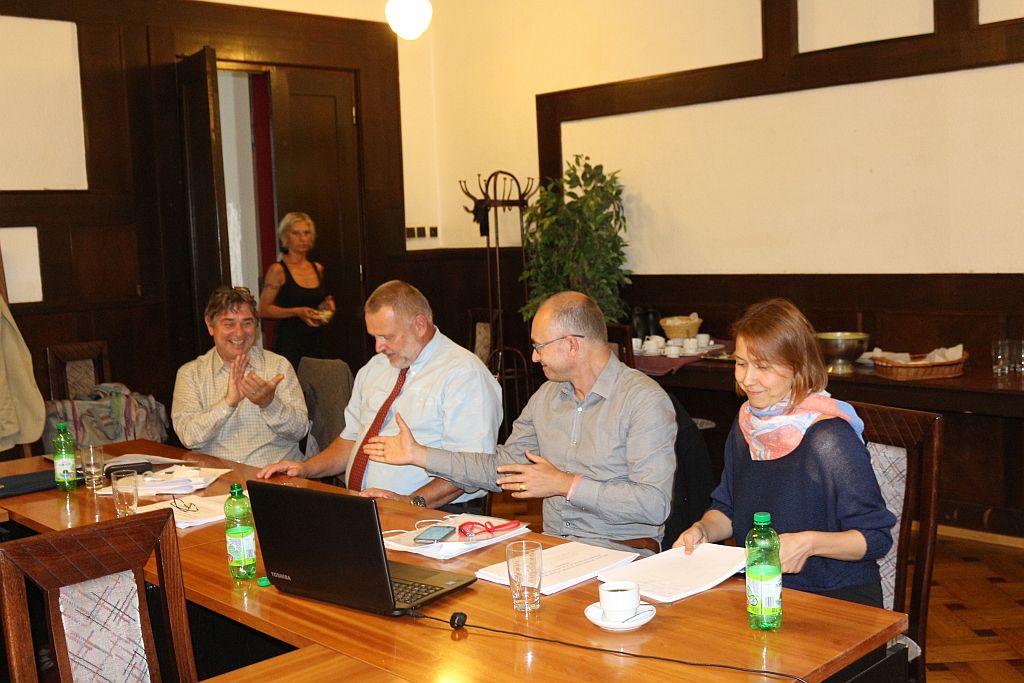
The online survey was launched on 19 May 2015. Around 2,500 journalists and media workers were invited to participate to the survey. The EFJ, OSNPM and GPA-djp analysed together the main outcomes of the survey during a round table conference, on 19 August 2015, in Prague.

The questionnaire focus mainly on labour rights. “This area is underestimated by the Czech media, journalists themselves and their employers as well,” explains Zdeněk Kučera, chairman of OSNPM.

“Over the past 25 years, journalists’ attention was focused primarily toward freedom of speech, access to information, relations with media ownership and the development of media houses. These are very serious topics. However, journalists’ status remained grossly underrated. A specific problem is the status of freelance journalists, which are increasingly numerous, particularly in regional media.”

The main findings of the survey are available on the EFJ website, here.
FOCUS EFJ

Side event of our project: a high school magazines national competition (Nejinspirativnější středoškolský časopis 2015). Here are the winners (picture credit: F. Cakl):

Czech

Contact details: OSNPM, e-mail: odborovy-svaz-novinaru@seznam.cz, website: http://www.odborovysvaznovinaru.cz


Slovakia

The European Federation of Journalists (EFJ), its Austrian union GPA-djp and the Slovak Union of Journalists (Slovenský syndikát novinárov) organized a meeting in Vienna, on 30 October 2014. Trade unionists and media students from both countries met in GPA-djp offices, in Vienna. The discussion on media convergence was launched by Dr. Roman Hummel, from the university of Salzburg.

Contact details: Judith Reitstaetter, judith.reitstaetter (at) gpa-djp.at


Estonia

The European Federation of Journalists (EFJ), the Estonian Union of Journalists (Eesti Ajakirjanike Liit, EAL) and the Union of Journalists in Finland (Suomen Journalistiliitto, UJF) agreed on 6 February 2015 to jointly implement the project “Workshops to Strengthen Journalists’ organisation in Estonia”.

The main objective of the project is to strengthen journalists’ organisation in Estonia, through three activities:

  • a freelance workshop in Helsinki,
  • a radio & TV negotiators workshop in Helsinki,
  • an authors’ rights seminar in Tallinn.

An action plan will be proposed for the next period.

Contact details: Juha Rekola, Juha.Rekola (at) journalistiliitto.fi, and Helle Tiikmaa, helle (at) eal.ee
 

Actions

New EU Copyright Directive’s workshop: How to get a fair share for journalists

As part of the EU-funded project Trust and Quality in Journalism, the European Federation of Journalists and its Belgian affiliates (AJP/VVJ) are organising the first session of a series of five workshops that aim to promote best practices and exchange ideas about rebuilding trust and ensuring quality in journalism. The workshop taking place in Brussels on March 19-20 will gather experts of authors’ rights officer from the EFJ members, media stakeholders and EU policy makers to discuss national implementation of the EU Copyright Directive and how to guarantee a fair share for journalists. The new directive includes key provisions for the…

Expert Exchange Visit Programme: APPLY NOW!

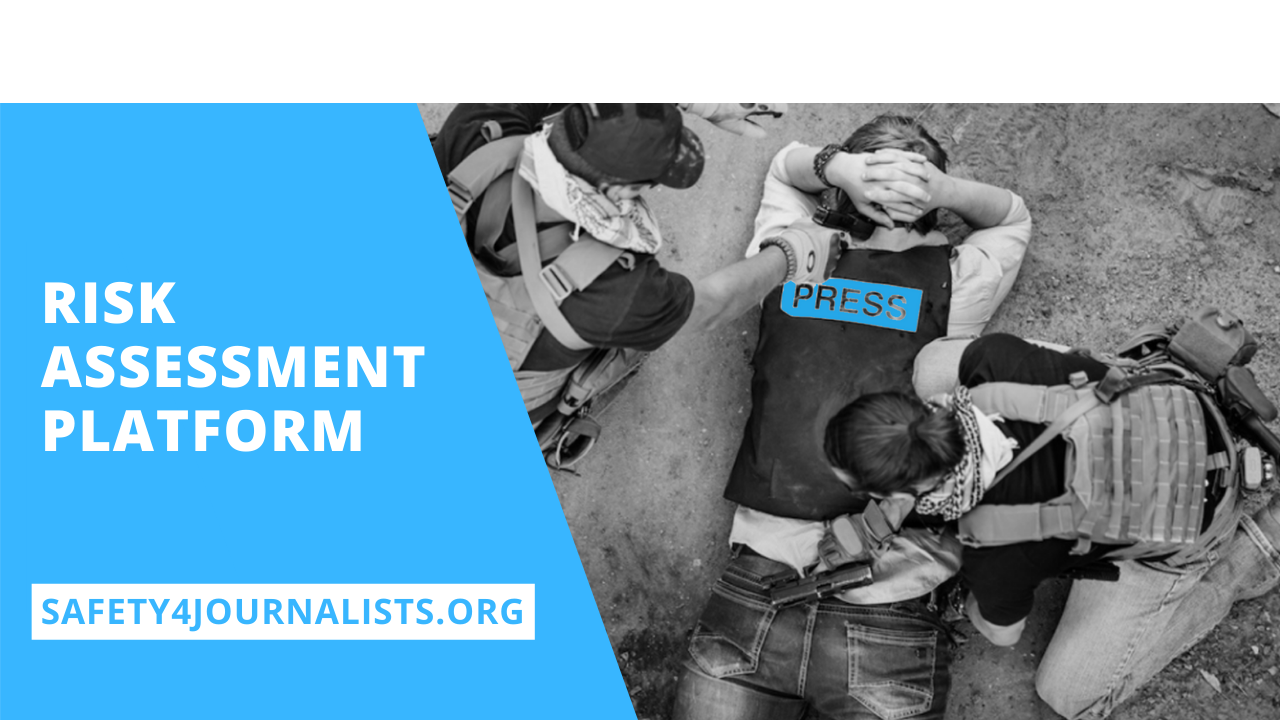
Are you planning the next big move and in need of expert help? Whether it is about negotiating a new agreement, building recruitment and organising strategies to increase membership, or launching a campaign for journalists, the EFJ Expert Exchange Visit Programme can help you find the experts to share good practices among journalists’ organisations. As part of the EU-funded Trust and Quality in Journalism‘s project framework, EFJ members can request an expert from another affiliate for national training and coaching on union related subjects – collective bargaining, labour rights, authors’ rights, public broadcasting, recruitment and organising and more. The last…

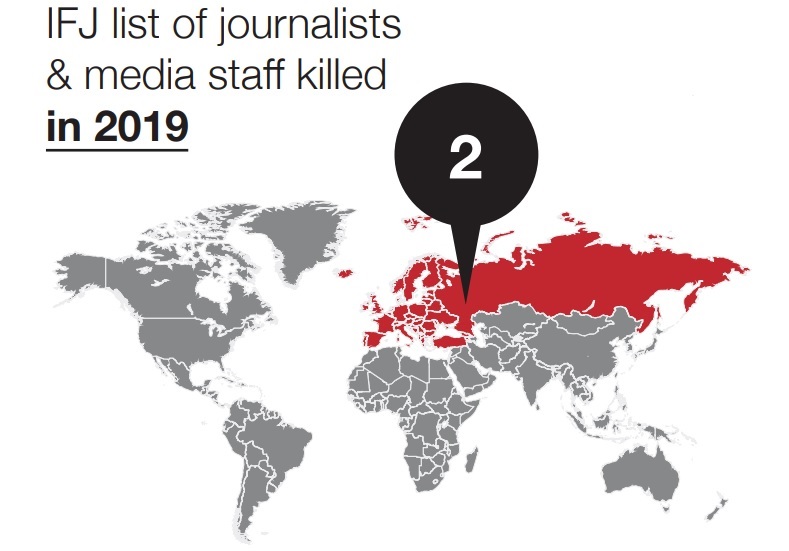
EFJ mourns two killed journalists in Europe in 2019

The International Federation of Journalists (IFJ) has recorded 49 killings of journalists and media professionals in 2019, including two in Europe, a significant drop from 95 posted last year. The IFJ says that, while the apparent decreasing bloodbath in the journalists’ community is a welcome relief, the spread of killings and the motives behind the killings are sobering reminders that violence against journalists is still rampant and the failure to combat impunity for these attacks remain a damning indictment on those in power. The IFJ lists 18 countries from the four corners of the world where journalist were killed since…

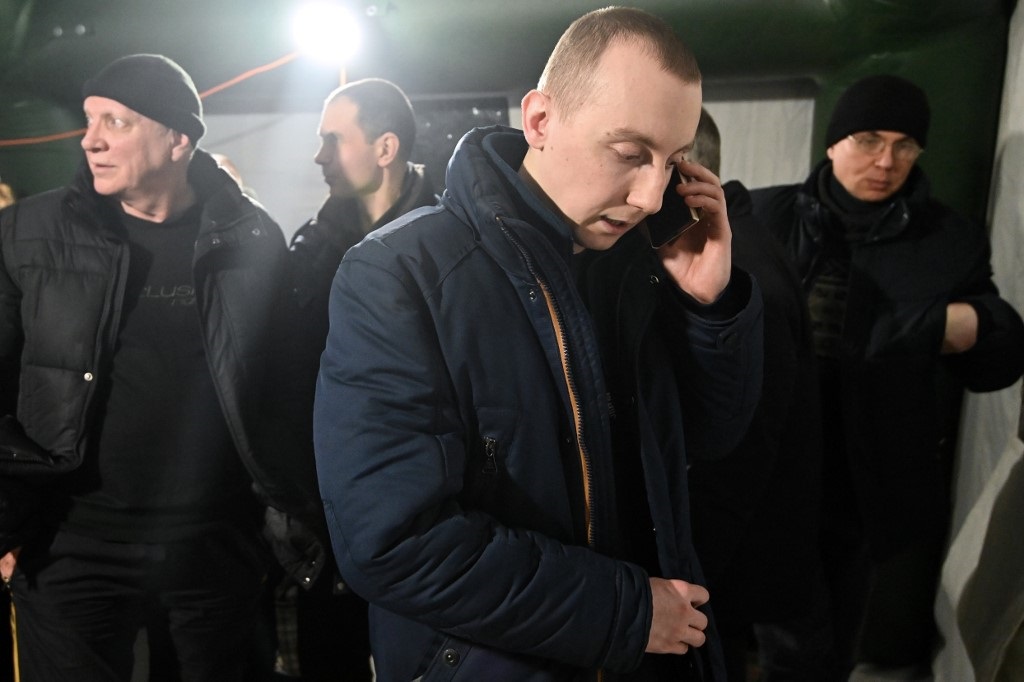
Picture credit: Genya Savilov / AFP.

Aseev is free but 122 journalists remain in prison in Europe

The European Federation of Journalists (EFJ) welcomes the release of Ukrainian journalists Stanislav Aseev and Oleh Halaziuk who suffered a long illegal custody in Donetsk. On Sunday, at a checkpoint near Gorlovka, pro-Russian separatists and Ukraine have concluded a long-awaited prisoner exchange of 200 prisoners, including the two journalists who contributed to the Ukrainian service of the US-funded Radio Free Europe/Radio Liberty. While welcoming these releases, the EFJ recalls that 122 journalists and media actors remain in prison in Europe: 108 in Turkey; 7 in Russia; 6 in Azerbaijan; 1 in the United Kingdom (Julian Assange, founder and publisher of WikiLeaks,…

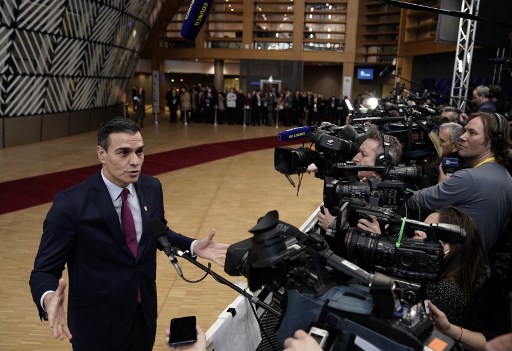
Spain: no more press conferences without questions!

The European Federation of Journalists (EFJ) joined today its Spanish affiliates FSC-CCOO and FAPE in condemning the increasingly common practice of no-questions-asked press conferences, in Spain. On Wednesday, Pedro Sanchez (our picture), secretary general of the PSOE and candidate for investiture as president of the Government, invited journalists to attend a press conference, after confirming the King’s order to try to form a government and thus be invested president. Sanchez only allowed two questions, which was strongly criticized by journalists present. The Spanish Secretary of State for Communication, Miguel Ángel Oliver criticized journalists covering la Moncloa, the seat of government,…

Gender equality in public service media: guidelines for building a gender-balanced workplace

Public service broadcasters have the capacity to shape public’s perception on gender roles and are leading the way in building gender-balanced workplaces. As public services they have the duty to reflect the societies they are informing. Many of them made gender equality a top priority in their workplaces which led to a change in their culture. The European Broadcasters Union (EBU) has published a new report, ‘All Things Being Equal’, in where it shares their members’ own experience and good practices on equal opportunities, equal pay – gender pay gap in the EU is 19% -, work/life balance or protection…