European Federation of Journalists

IFJ-EFJ Regional Development Fund

Czech Republic


The European Federation of Journalists (EFJ) signed an agreement on 18 December 2014 with the Union of Journalists and Media Workers of Czech Republic (OSNPM) in order to investigate the working conditions of Czech journalists and media workers. The project is implemented with the cooperation of Judith Reitstatter, from the Austrian union GPA-djp.

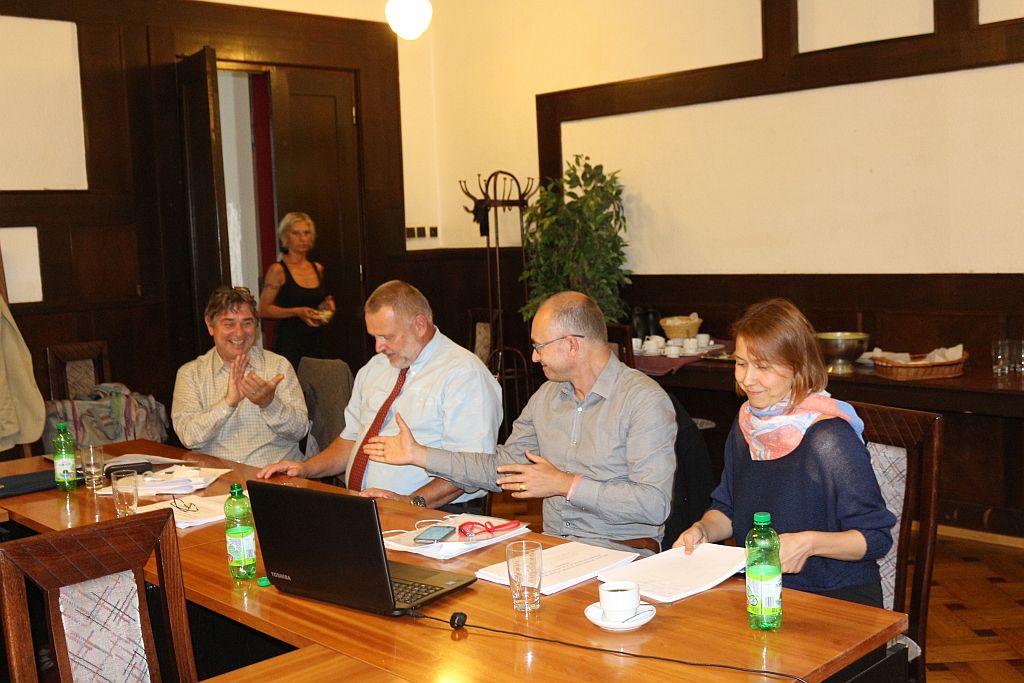
The online survey was launched on 19 May 2015. Around 2,500 journalists and media workers were invited to participate to the survey. The EFJ, OSNPM and GPA-djp analysed together the main outcomes of the survey during a round table conference, on 19 August 2015, in Prague.

The questionnaire focus mainly on labour rights. “This area is underestimated by the Czech media, journalists themselves and their employers as well,” explains Zdeněk Kučera, chairman of OSNPM.

“Over the past 25 years, journalists’ attention was focused primarily toward freedom of speech, access to information, relations with media ownership and the development of media houses. These are very serious topics. However, journalists’ status remained grossly underrated. A specific problem is the status of freelance journalists, which are increasingly numerous, particularly in regional media.”

The main findings of the survey are available on the EFJ website, here.
FOCUS EFJ

Side event of our project: a high school magazines national competition (Nejinspirativnější středoškolský časopis 2015). Here are the winners (picture credit: F. Cakl):

Czech

Contact details: OSNPM, e-mail: odborovy-svaz-novinaru@seznam.cz, website: http://www.odborovysvaznovinaru.cz


Slovakia

The European Federation of Journalists (EFJ), its Austrian union GPA-djp and the Slovak Union of Journalists (Slovenský syndikát novinárov) organized a meeting in Vienna, on 30 October 2014. Trade unionists and media students from both countries met in GPA-djp offices, in Vienna. The discussion on media convergence was launched by Dr. Roman Hummel, from the university of Salzburg.

Contact details: Judith Reitstaetter, judith.reitstaetter (at) gpa-djp.at


Estonia

The European Federation of Journalists (EFJ), the Estonian Union of Journalists (Eesti Ajakirjanike Liit, EAL) and the Union of Journalists in Finland (Suomen Journalistiliitto, UJF) agreed on 6 February 2015 to jointly implement the project “Workshops to Strengthen Journalists’ organisation in Estonia”.

The main objective of the project is to strengthen journalists’ organisation in Estonia, through three activities:

  • a freelance workshop in Helsinki,
  • a radio & TV negotiators workshop in Helsinki,
  • an authors’ rights seminar in Tallinn.

An action plan will be proposed for the next period.

Contact details: Juha Rekola, Juha.Rekola (at) journalistiliitto.fi, and Helle Tiikmaa, helle (at) eal.ee


Actions

HesaMag #16: working conditions and fake news in the digital era

After an issue on the precarious working conditions of journalists, HesaMag, a magazine produced by the European Trade Union Institute (ETUI) about health and safety at work, just released its 16th edition entitled “The future of work in the digital era“. The magazine’s special report investigates the impact of technologies on working conditions and environments in the industry sector, as well as in the intellectual professions. A story on the fake news industry in Macedonia shows how young people, with no prospects of finding a decently paid job, manage to earn a few hundred euros by working around the clock. Working conditions…

Global survey on media ethics highlights fake news, low pay and spin

The Centre for International Media Ethics (CIME) has published the results of its survey on ‘Media Ethics in the Post-Truth Era’. The survey, with responses from Africa, the Americas, Central and South Asia, Europe and Oceania, aimed to learn from media professionals about the state of media ethics in their countries. According to participants, the top issues faced at work for journalists around the world were fake news, low pay, the pressure to attract the largest audience and political or corporate spin. Despite these issues, over half of respondents said that their government’s responses to protecting media ethics rate between…

Google to finance development of Union project in Finland

This news was originally published on heikkijokinen.info. Cooperative Mediakunta received 50,000 euro from the Google fund to develop its business model for the billing work for freelance journalists and media professionals. The Union of Journalists in Finland set up the cooperative Mediakunta in January 2017 to help its members who are working on a gig-basis. The cooperative takes care of billing, pays taxes and other statutory contributions. The idea was to allow Union members to fully focus on what they do best, journalism and media work. So far some 150 Union members have joined the cooperative. Among them are both…

Let independent journalism thrive

European institutions continuously emphasize that independent journalism and free media are fundamental pillars for our European democracy. Thanks for that, but it is not only words that are needed but also more political will, not only from institutions such as the Council of Europe and the EU, but also firmly and unconditionally from national leaders. We want to hear from the highest authorities that independent journalism must thrive. Strong support from all parties is a prerequisite for the safety of journalists and for fighting impunity, fighting “fake news”, developing mechanisms to defend journalists’ rights, including authors’ rights, and for improving…

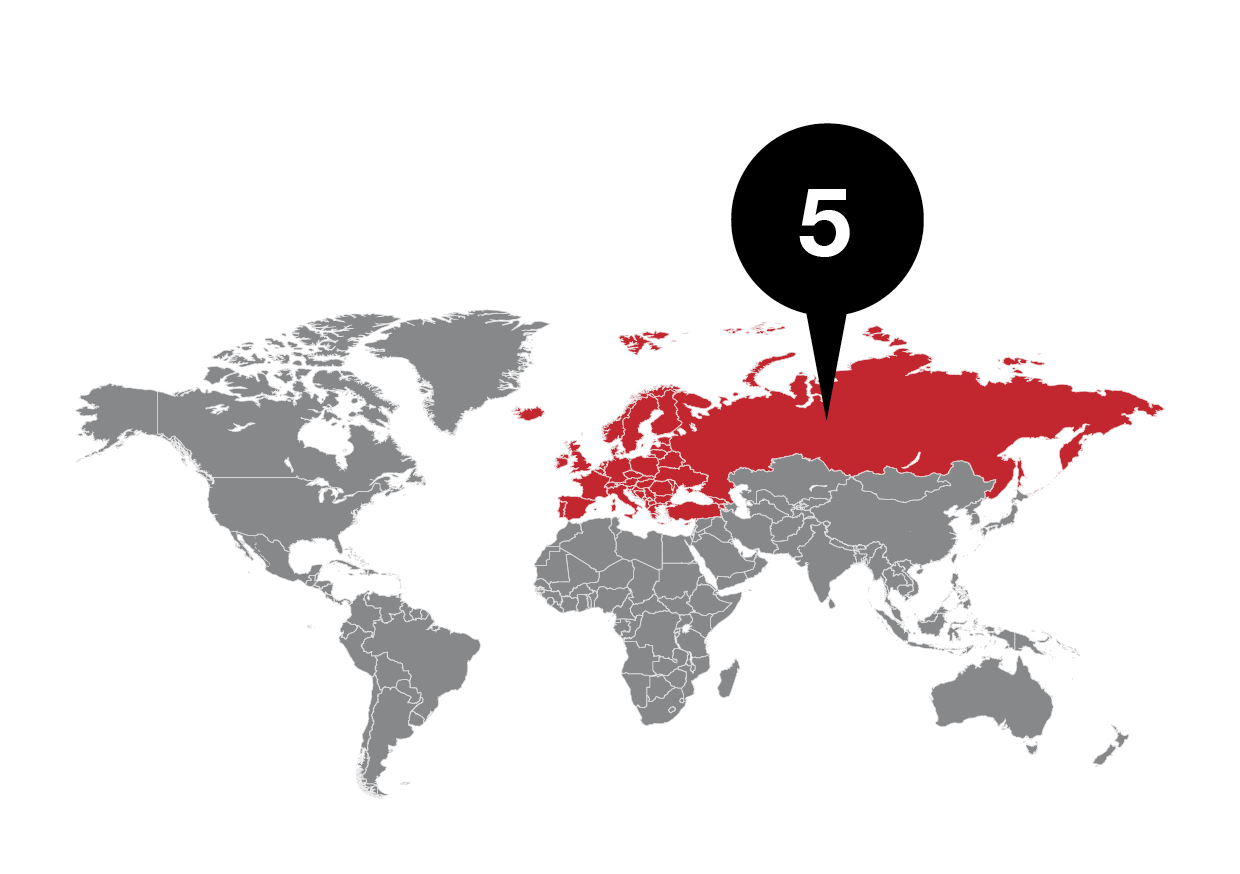
5 media professionals killed in Europe in 2017

80 journalists have been killed worldwide this year, including 5 in Europe, according to the International Federation of Journalists’ (IFJ) Killed List, published today. The list details the journalists and media staff killed in targeted killings, car bomb attacks and cross fire incidents around the world during 2017. Denmark: Kim Wall The Swedish freelance journalist Kim Wall was killed in Denmark in August this year. The journalist had boarded a civilian submarine with its inventor, Peter Madsen, and was researching for a feature about him and the vessel which he had built from crowdfunding. Kim Wall’s body parts were later found…

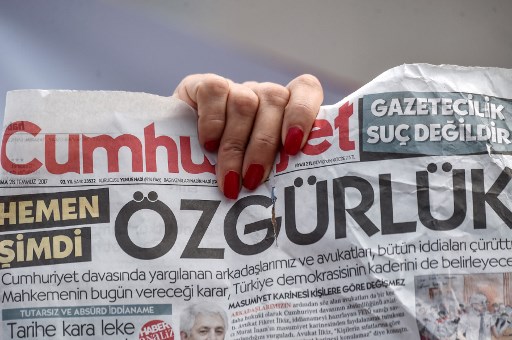
Turkey: Four Cumhuriyet journalists ordered to remain in prison

At a hearing on 25 December 2017, a Turkish judge ordered four journalists and senior staff from the newspaper Cumhuriyet to remain in prison for at least two more months during their trial. The newspaper’s editor-in-chief Murat Sabuncu, attorney Akin Atalay, correspondent Ahmet Şık and accountant Emre Iper, are charged with supporting through their coverage three outlawed groups: The Kurdistan Workers’ Party (PKK), the Revolutionary People’s Liberation Party-Front (DHKP-C), and the Gülen network. They face up to 43 years in prison if convicted. The newspaper and staff have denied the charges, and argue that they are being targeted to silence…