European Federation of Journalists

openMedia, investigating press freedom

Title of the project : openMedia, investigating press freedom
Lead Applicant
: openDemocracy

Partner organisations : EFJ, Index on censorship, King’s College London

The recently launched openMedia project aims to investigate and expose commercial interference in editorial decisions. The project is run by openDemocracy with the European Federation of Journalists (EFJ) as a partner alongside the Index on Censorship and King’s College London.

The project believes that there has not been enough of a concerted, ongoing spotlight on the extent and effects of commercial influence over the media, despite the dangerous consequences it poses for press freedom. For now, the project focuses on 47 countries across Europe but also has ambitions to expand.

Despite the recent launch, the project is adamant that it is not a response to the “fake news” hype of the past year or so. Rather, the project responds to scandals of commercial sponsors influencing media content; for example the Daily Telegraph’s suppression of investigations into its advertiser HSBC; and allegations that Buzzfeed deleted articles which advertisers found unfavourable.

According to the project, this power dynamic can suppress investigations of banks, pharmaceuticals, agriculture, fossil fuel giants, energy companies and other big businesses.

In addition, the project recognizes how for many readers, “sponsored content” is difficult to distinguish from genuine news content. The project therefore aims to clarify the commercial interests apparent in media to readers, and as part of the project, King’s College London will develop digital tools to help readers be better informed about news sources.

The findings of the project will be used to campaign for greater transparency and press freedom in news organisations and to empower journalists to advocate for transparency.

In order to do this, openMedia is currently conducting a confidential and anonymous survey of journalists across Europe, asking about their own working practices and experiences of commercial pressure inside newsrooms. The survey is available in English here and in many other languages here.
Actions

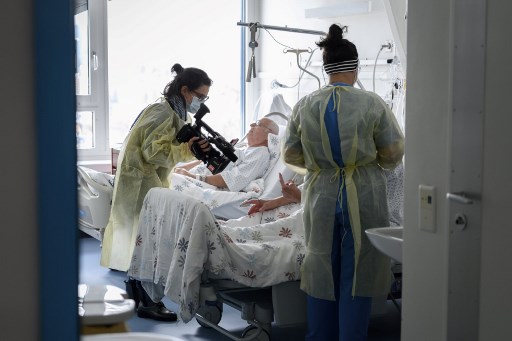
Almost 90 journalists’ deaths caused by Covid-19 in Europe

The Geneva-based non governmental organisation Press Emblem Campaign (PEC) said yesterday that more than 600 journalists died of COVID-19 in 59 countries worldwide since March 2020. In Europe, Italy has taken the heaviest death toll with 40 confirmed victims in the year, followed by 17 in Turkey, 13 in Great Britain, 8 in Russia, 6 in Spain, and 5 in France. In particular freelance journalists and photographers are in the forefront. The PEC identified at least one death in other European countries such as Austria, Azerbaijan, Belgium, Bulgaria, Germany and Switzerland. One of the fatalities is Italian journalist Livia Giustolisi, who was the…

Minsk/Warsaw: Belsat journalists need support

The satellite television channel Belsat reported on the grave situation that affects its journalists since the presidential elections in Belarus in August 2020. In total, Belsat journalists were detained 161 times, 27 were sentenced to 400 days in detention and they had to pay fines amounting to 23,514.57 USD in 2020 alone. Belsat was established in 2007 and as a multiplatform media outlet it is targeting Belarusians as well as the entire Russian language-speaking territory of the former USSR. It is a subsidiary of TVP, the Polish public broadcaster. Lukasz Byrski from Belsat TV shared synoptically: “During the crackdown on…

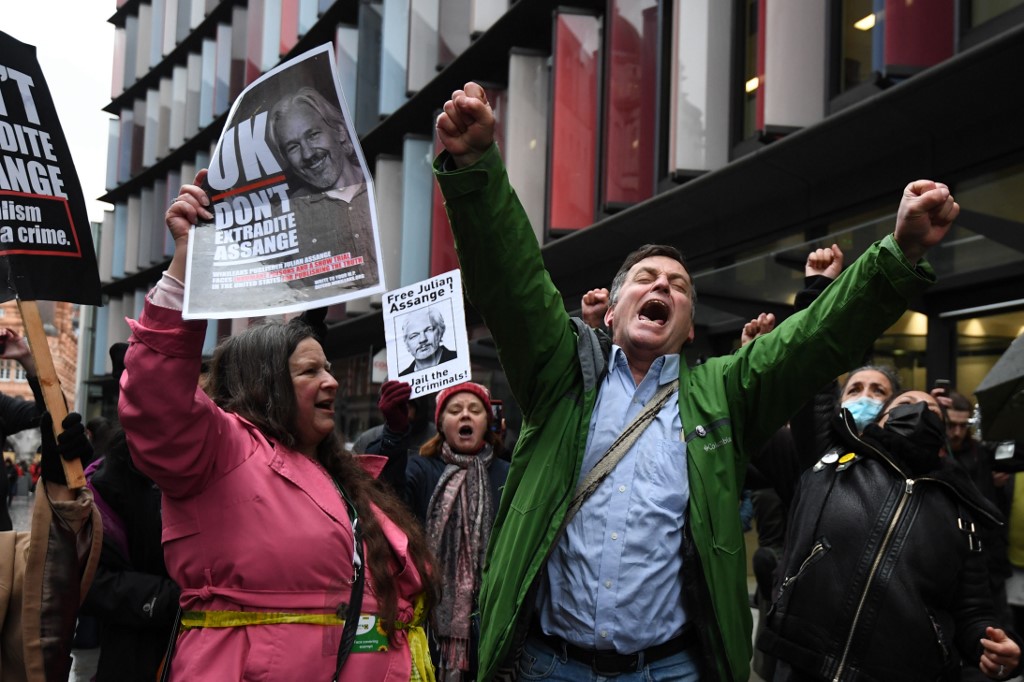
EFJ and IFJ welcome decision not to extradite Julian Assange

Judge Vanessa Baraitser today ruled against Wikileaks founder Julian Assange‘s extradition to the United States arguing it would be “oppressive by reason of Assange’s mental health”. The International Federation of Journalists (IFJ) and its UK and Australian affiliates, the NUJ and the MEAA, and the European Federation of Journalists (EFJ) welcome the decision and are urging the authorities to immediately release Julian Assange. The judge argued Assange suffers from depression and that there is a high risk of suicide. If extradited, she considered it likely the US would send him to prison under special administrative measures (SAMs) and wouldn’t prevent Assange from committing suicide. Therefore, she considered his…

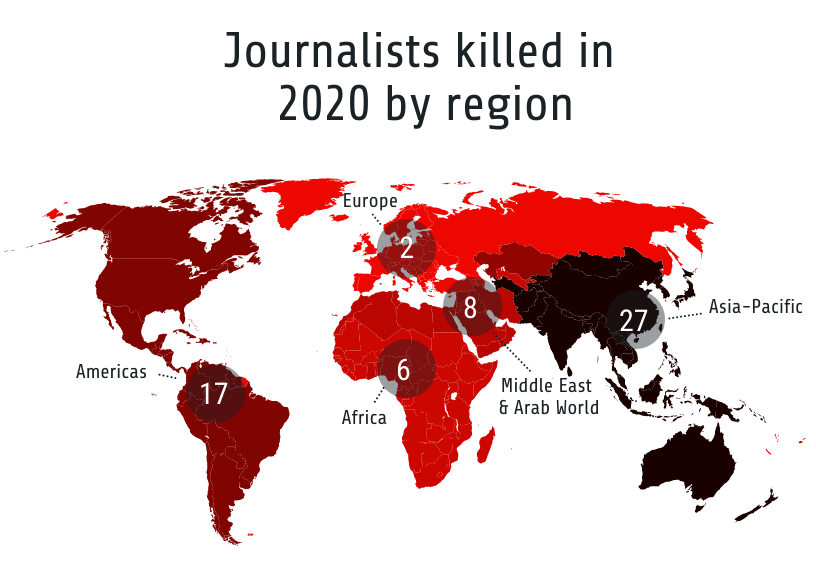
60 journalists killed in 2020, including two in Europe

The International Federation of Journalists (IFJ) released its 2020 “killed list”. The year 2020 will go down in history as the year of an unprecedented global pandemic crisis, but also as the year of the resurgence of murders of journalists and media staff around the world. With 60 murders in 2020, including two in Europe, the macabre statistics are on the rise again compared to 2019 (49). IFJ records show that the current number of killings of media professionals are at the same levels as in 1990 when the IFJ started publishing annual reports on journalists and media staff killed,…

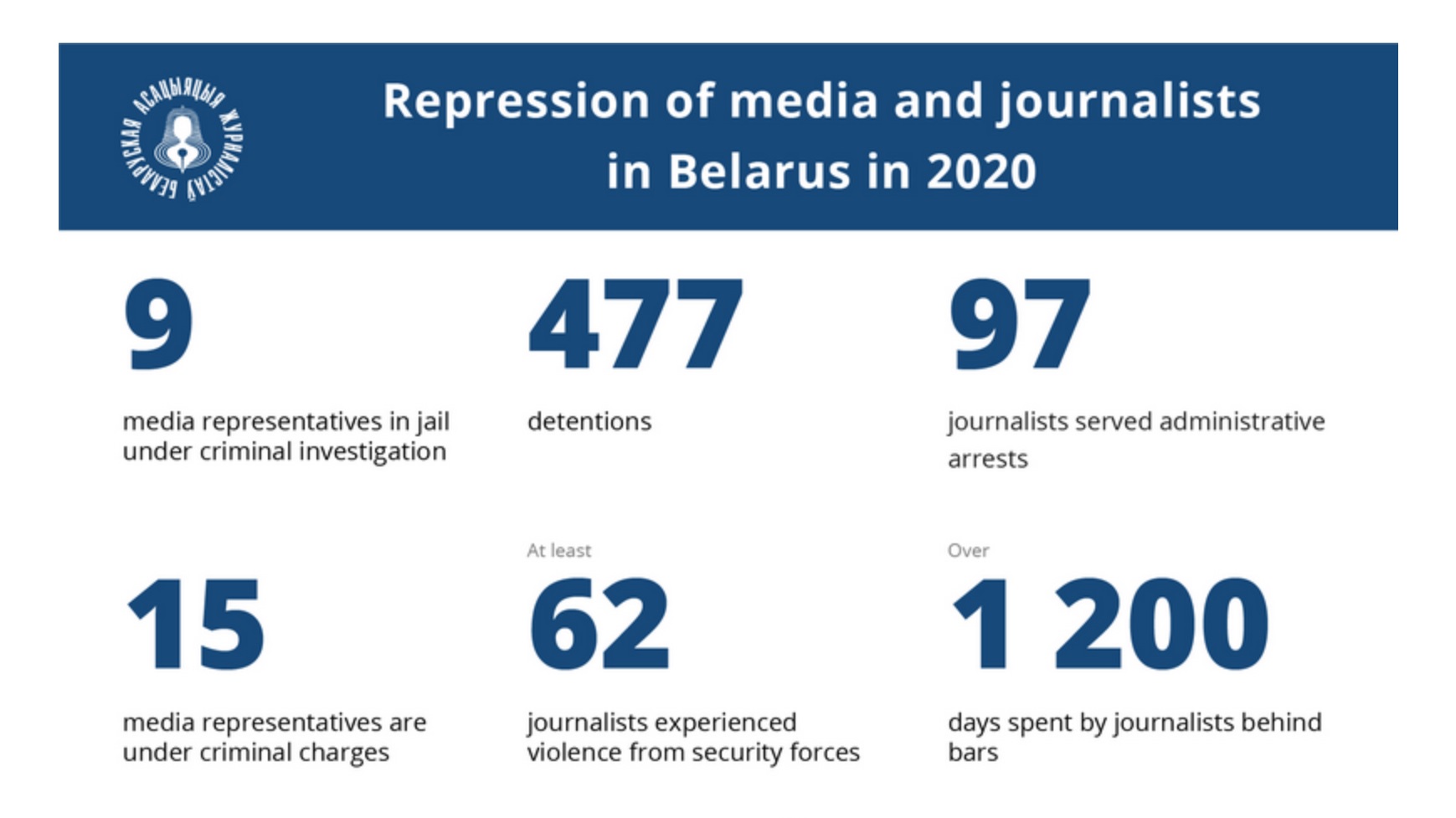
Belarus: journalists spent 1,200 days behind bars in 2020

The Belarusian Association of Journalists (BAJ), the European Federation of Journalists affiliate in Belarus, has just drawn the dramatic balance of repression in 2020. Journalists continue to pay a heavy price. In 2020 they spent 1,200 days behind bars. The EFJ once again calls on the European Union, the Council of Europe and the OSCE to end press freedom violations and ongoing human rights abuses in Belarus. According to BAJ monitoring, here are the figures of the repression of media and journalists in Belarus in 2020: 9 media representatives in jail under criminal investigation; 15 media representatives are under criminal…

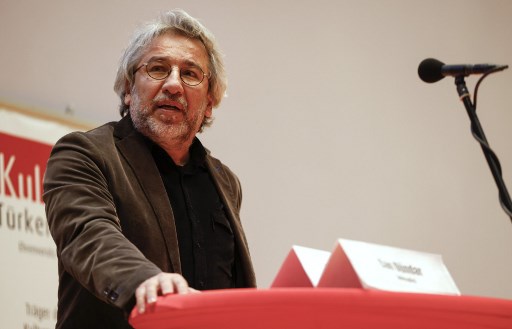
Turkey: Can Dündar sentenced to over 27 years in prison

Can Dündar, the former editor-in-chief of the daily newspaper Cumhuriyet was sentenced to over 27 years in prison on 23 December 2020. The charges against him are espionage and terrorism. Dündar, who is living in German exile since 2016, was tried in absentia. The European Federation of Journalists (EFJ) and the International Federation of Journalists (IFJ) joined international human rights and press freedom groups to condemn the politically motivated verdict. A court in Istanbul reportedly sentenced Dundar to 18 years and nine months for “obtaining state secrets for the purpose of political or military espionage” and to eight years and nine months…