European Federation of Journalists

openMedia, investigating press freedom

Title of the project : openMedia, investigating press freedom
Lead Applicant
: openDemocracy

Partner organisations : EFJ, Index on censorship, King’s College London

The recently launched openMedia project aims to investigate and expose commercial interference in editorial decisions. The project is run by openDemocracy with the European Federation of Journalists (EFJ) as a partner alongside the Index on Censorship and King’s College London.

The project believes that there has not been enough of a concerted, ongoing spotlight on the extent and effects of commercial influence over the media, despite the dangerous consequences it poses for press freedom. For now, the project focuses on 47 countries across Europe but also has ambitions to expand.

Despite the recent launch, the project is adamant that it is not a response to the “fake news” hype of the past year or so. Rather, the project responds to scandals of commercial sponsors influencing media content; for example the Daily Telegraph’s suppression of investigations into its advertiser HSBC; and allegations that Buzzfeed deleted articles which advertisers found unfavourable.

According to the project, this power dynamic can suppress investigations of banks, pharmaceuticals, agriculture, fossil fuel giants, energy companies and other big businesses.

In addition, the project recognizes how for many readers, “sponsored content” is difficult to distinguish from genuine news content. The project therefore aims to clarify the commercial interests apparent in media to readers, and as part of the project, King’s College London will develop digital tools to help readers be better informed about news sources.

The findings of the project will be used to campaign for greater transparency and press freedom in news organisations and to empower journalists to advocate for transparency.

In order to do this, openMedia is currently conducting a confidential and anonymous survey of journalists across Europe, asking about their own working practices and experiences of commercial pressure inside newsrooms. The survey is available in English here and in many other languages here.

Actions

Belarus fines freelance journalist for working with “foreign media”

Belarus continues its bad practice by handing over the first fine of the year on 13 January to freelance journalist, Larysa Shchyrakova, for working with “foreign media”.Following the ruling, the European Federation of Journalists (EFJ) and the Belarusian Association of Journalists (BAJ) have called for an immediate appeal of the ruling and urged the government to scrap the existing law. Shchyrakova, was fined 4 620 000 Belarusian rubles (around 225 EUR) by the Homiel District Court for breaking Article 22.9 of Belarusian Code on Administrative Offenses which forbids freelance journalists in the country from working with foreign media outlets. With…

Commission launches action against Poland following EU-wide protest

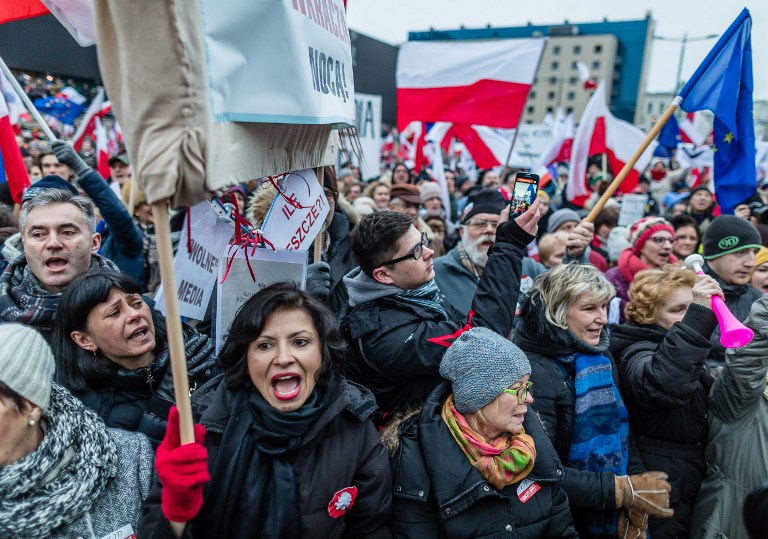
Journalists, broadcasters and media freedom organisations have gathered this morning (13/01/2016) in front of the Polish Embassy in Brussels protesting against new attempt by the Polish government to control the media while the European Commission was discussing possible action against Poland. The EFJ has been heavily criticising the new law in the past weeks accusing Poland of violating European law on media freedom. It has written to the European Commission calling for prompt action against Poland. Today, the European Commission has discussed the first time at its college meeting the case of Poland and decided to launch action against Poland under…

Three journalists attacked in broad daylight in Tbilisi

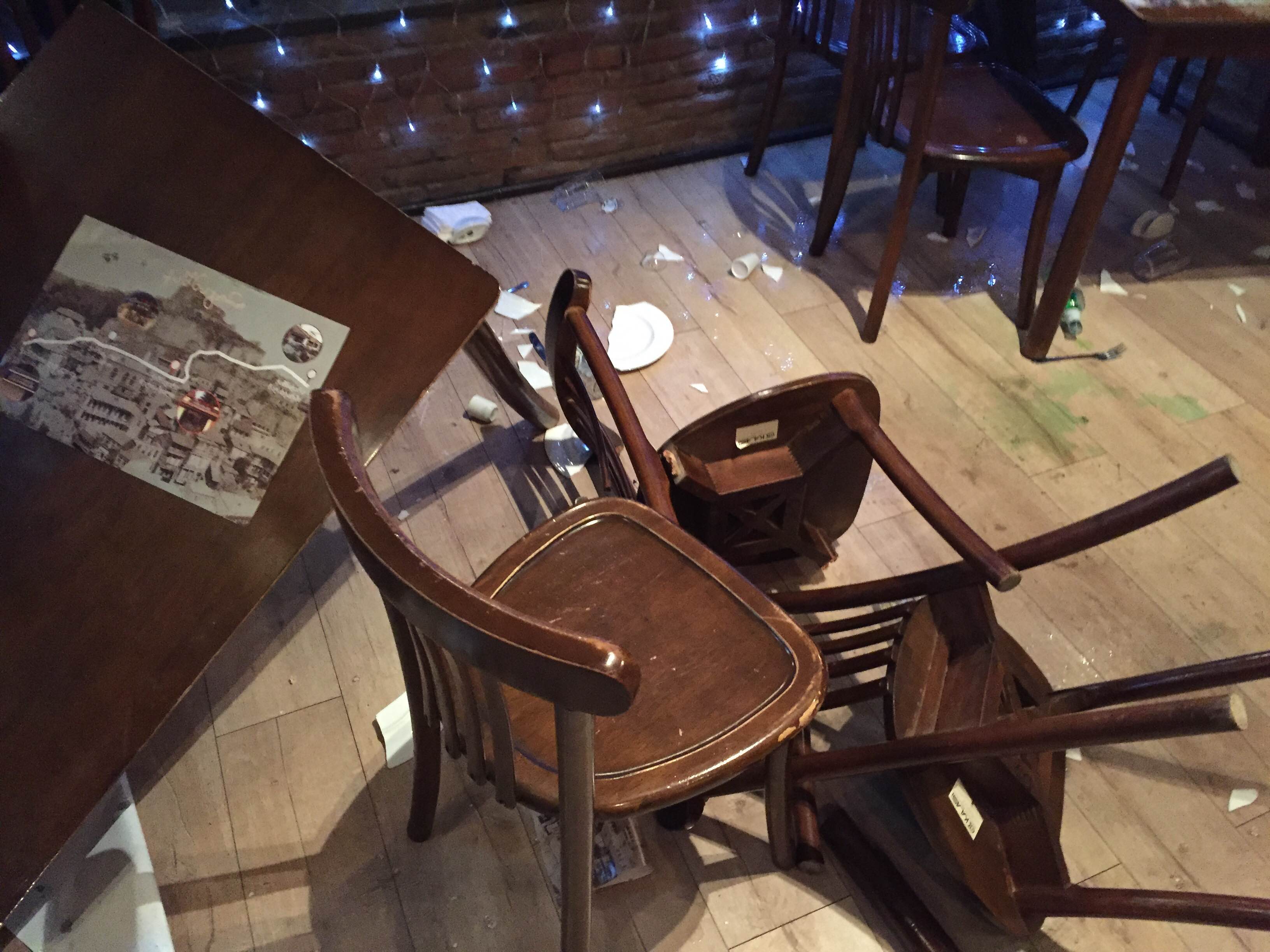
The European Federation of Journalists (EFJ) strongly condemns an attack that occurred yesterday, 12 January, in the capital city of Georgia, Tbilisi. The three journalists, Levan Sutidze, Irakli Kiknavelidze, Nino Macharashvili, and Avto Koridz, working for the Georgian TV and website Tabula were attacked at a restaurant. The journalists suffered from minor injuries. Following the attack, Sutidze issued a statement on his Facebook page claiming that three unknown individuals attacked him and his colleagues. He believed that the reason for the assault was motivated by the critical view of Georgian TV towards the Georgian Church. Allegedly, one of the attackers was…

Total media ban imposed following deadly explosion in Istanbul

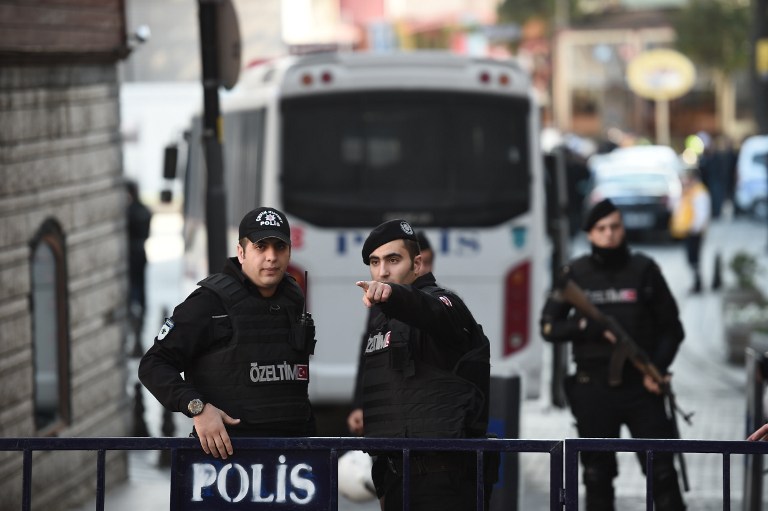
A least 10 people have been killed and dozens injured today (12/01/2015) in the historical center of Istanbul (Turkey) in what appears to be a suicide bomb attack by suspected member of the Islamic State (IS), group has killed 10 people, official reports say. Following the explosion, the Turkey Radio and Television Supreme Council (RTUK) have ordered a broadcast ban interviews related to an explosion. The broadcast ban was followed by a total information ban decided by the 7th Chamber of the Istanbul Court of Peace which forbid the publication of any opinion, interview, images, information – including comments published…

Poland threatens media freedom in Europe

First Hungary and now is Poland threatening Europe’s media freedom. Regardless of the safeguard of European Fundamental Rights charter and declaration, governments attempt to influence media will inevitably threaten our democracies.   On Thursday 7 January, the president of Poland ignored core EU fundamental rights including press freedom by signing one of the most criticized media laws in the history of the EU. Following that, the EU Commissioner Günther Oettinger has openly criticized Poland for infringing “common European values” by passing legislation that gives the government control of the state media and the power to directly appoint the heads of…

Serbian Minister remains in office after sexist remark

Over three hundred journalists and media workers have gathered on Monday (11/01/2015) in several towns in Serbia for the third time, calling for the dismissal of the Defence Minister, Bratislav Gasic, who made a sexist remark to a female reporter in December 2015. The protest named “Journalists do not kneel” occurred in front of the Serbian government building in Belgrade, as well as Novi Sad, Nis and several other cities. Back in December, the Prime Minister of Serbia, Aleksandar Vucic, announced that he will dismiss Gasic for his inappropriate remark following a series of protests from journalists. Yet Gasic is…