European Federation of Journalists

openMedia, investigating press freedom

Title of the project : openMedia, investigating press freedom
Lead Applicant
: openDemocracy

Partner organisations : EFJ, Index on censorship, King’s College London

The recently launched openMedia project aims to investigate and expose commercial interference in editorial decisions. The project is run by openDemocracy with the European Federation of Journalists (EFJ) as a partner alongside the Index on Censorship and King’s College London.

The project believes that there has not been enough of a concerted, ongoing spotlight on the extent and effects of commercial influence over the media, despite the dangerous consequences it poses for press freedom. For now, the project focuses on 47 countries across Europe but also has ambitions to expand.

Despite the recent launch, the project is adamant that it is not a response to the “fake news” hype of the past year or so. Rather, the project responds to scandals of commercial sponsors influencing media content; for example the Daily Telegraph’s suppression of investigations into its advertiser HSBC; and allegations that Buzzfeed deleted articles which advertisers found unfavourable.

According to the project, this power dynamic can suppress investigations of banks, pharmaceuticals, agriculture, fossil fuel giants, energy companies and other big businesses.

In addition, the project recognizes how for many readers, “sponsored content” is difficult to distinguish from genuine news content. The project therefore aims to clarify the commercial interests apparent in media to readers, and as part of the project, King’s College London will develop digital tools to help readers be better informed about news sources.

The findings of the project will be used to campaign for greater transparency and press freedom in news organisations and to empower journalists to advocate for transparency.

In order to do this, openMedia is currently conducting a confidential and anonymous survey of journalists across Europe, asking about their own working practices and experiences of commercial pressure inside newsrooms. The survey is available in English here and in many other languages here.
Actions

George Foulkes: “A free media is as important to democracy as regular elections”

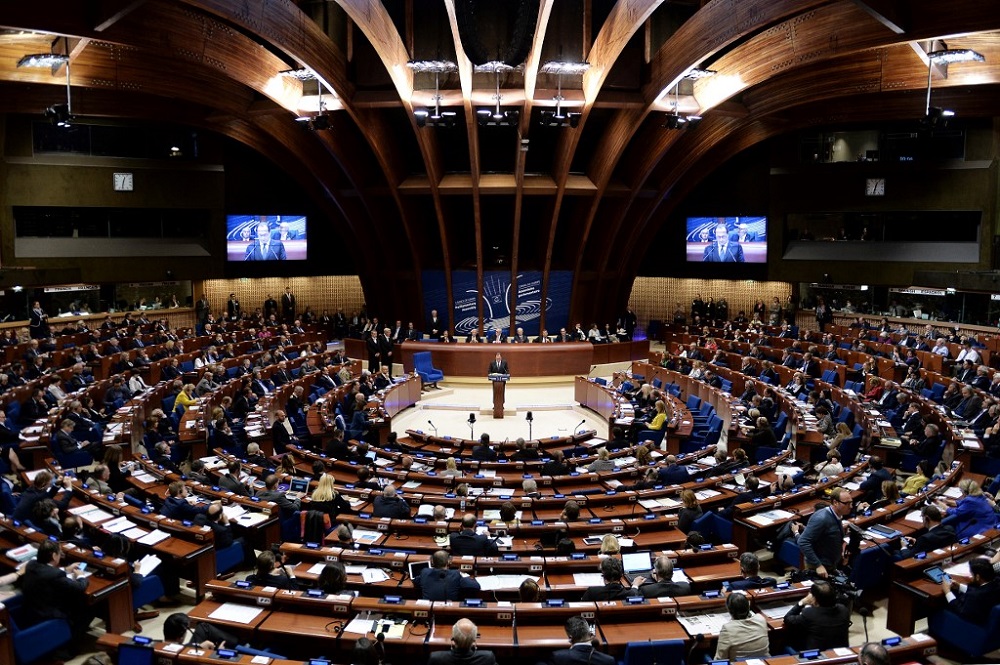
The European Federation of Journalists (EFJ) welcomes Council of Europe Rapporteur on media freedom George Foulkes‘ call for better protection for journalists in Europe. Over the past two years, George Foulkes, who is a British Labour Co-operative politician and former Scotland minister, has been investigating this issue as General Rapporteur on media freedom and the safety of journalists for the Parliamentary Assembly of the Council of Europe (Pace). His report points out that the Council of Europe Platform for the Protection of Journalism shows that the situation is getting worse in Europe. From 2015 to date, 26 journalists have been…

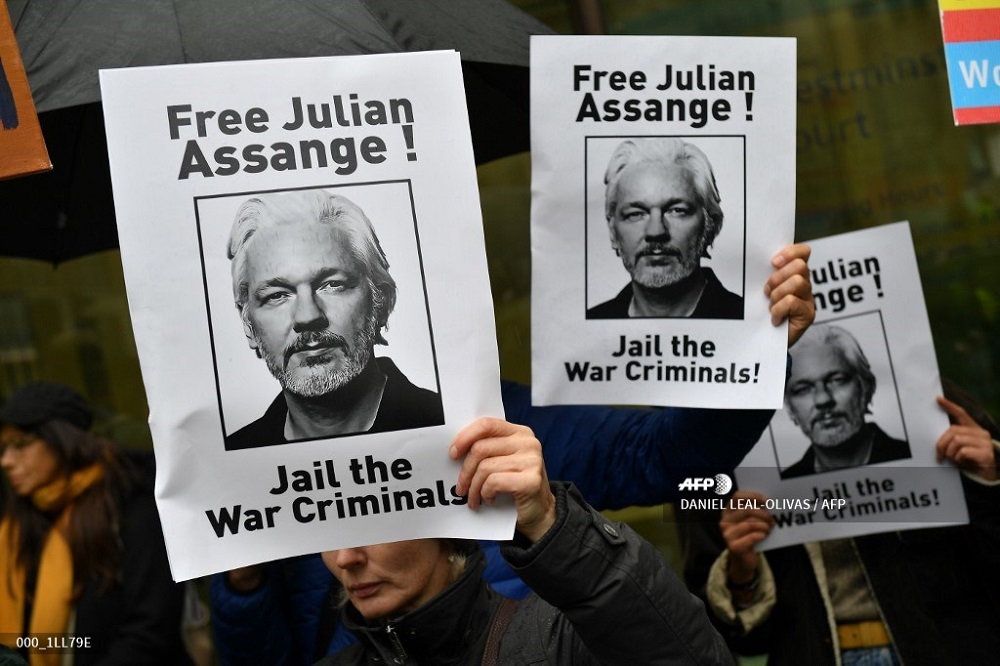
The arbitrary detention of Julian Assange set a dangerous precedent for journalists

Julian Assange, publisher of Wikileaks, is currently detained in Belmarsh high-security prison in the United Kingdom. He faces extradition to the United States and criminal prosecution under the US Espionage Act. He has been charged for publishing the Afghanistan and Iraq war diaries and US embassy cables, important documents that many journalists around the world used and helped to publicise. The “War Diaries” provided evidence that the US Government misled the public about activities in Afghanistan and Iraq and committed war crimes. “We believe that the arbitrary detention and criminal prosecution of Julian Assange set an extremely dangerous precedent for…

New EU Copyright Directive’s workshop: How to get a fair share for journalists

As part of the EU-funded project Trust and Quality in Journalism, the European Federation of Journalists and its Belgian affiliates (AJP/VVJ) are organising the first session of a series of five workshops that aim to promote best practices and exchange ideas about rebuilding trust and ensuring quality in journalism. The workshop taking place in Brussels on March 19-20 will gather experts of authors’ rights officer from the EFJ members, media stakeholders and EU policy makers to discuss national implementation of the EU Copyright Directive and how to guarantee a fair share for journalists. The new directive includes key provisions for the…

Expert Exchange Visit Programme: APPLY NOW!

Are you planning the next big move and in need of expert help? Whether it is about negotiating a new agreement, building recruitment and organising strategies to increase membership, or launching a campaign for journalists, the EFJ Expert Exchange Visit Programme can help you find the experts to share good practices among journalists’ organisations. As part of the EU-funded Trust and Quality in Journalism‘s project framework, EFJ members can request an expert from another affiliate for national training and coaching on union related subjects – collective bargaining, labour rights, authors’ rights, public broadcasting, recruitment and organising and more. The last…

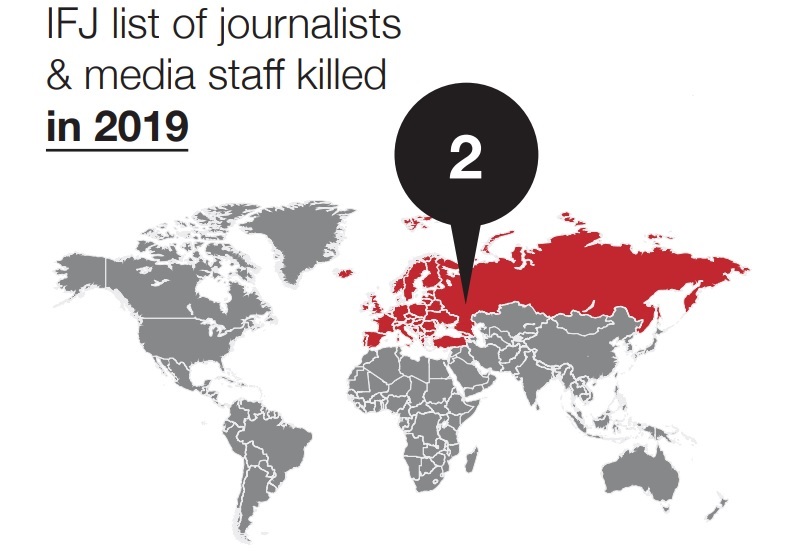
EFJ mourns two killed journalists in Europe in 2019

The International Federation of Journalists (IFJ) has recorded 49 killings of journalists and media professionals in 2019, including two in Europe, a significant drop from 95 posted last year. The IFJ says that, while the apparent decreasing bloodbath in the journalists’ community is a welcome relief, the spread of killings and the motives behind the killings are sobering reminders that violence against journalists is still rampant and the failure to combat impunity for these attacks remain a damning indictment on those in power. The IFJ lists 18 countries from the four corners of the world where journalist were killed since…

Picture credit: Genya Savilov / AFP.

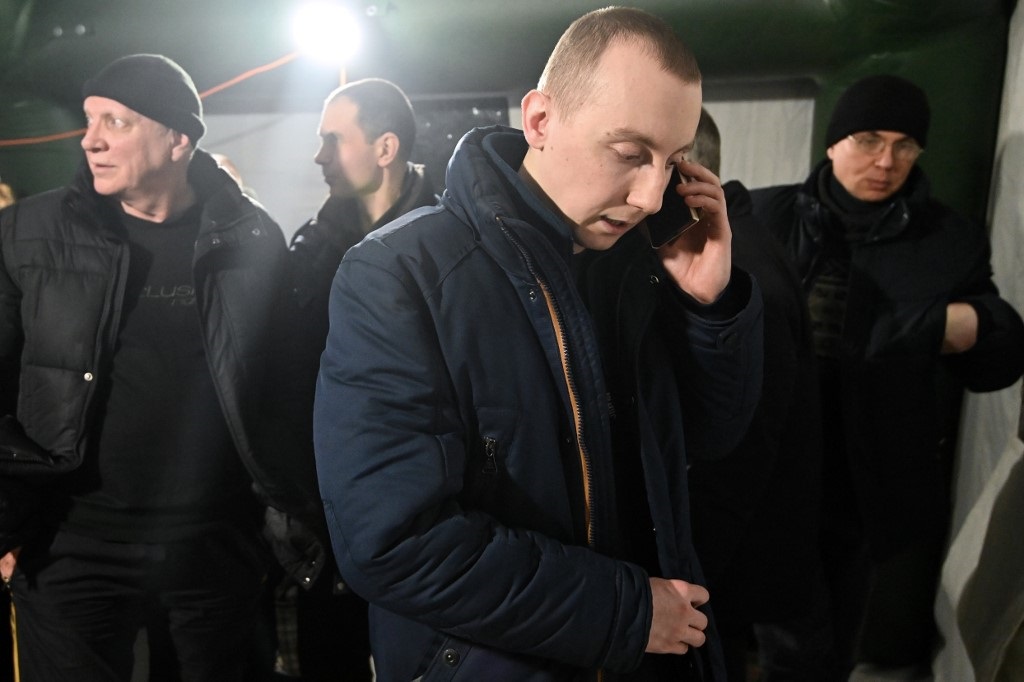
Aseev is free but 122 journalists remain in prison in Europe

The European Federation of Journalists (EFJ) welcomes the release of Ukrainian journalists Stanislav Aseev and Oleh Halaziuk who suffered a long illegal custody in Donetsk. On Sunday, at a checkpoint near Gorlovka, pro-Russian separatists and Ukraine have concluded a long-awaited prisoner exchange of 200 prisoners, including the two journalists who contributed to the Ukrainian service of the US-funded Radio Free Europe/Radio Liberty. While welcoming these releases, the EFJ recalls that 122 journalists and media actors remain in prison in Europe: 108 in Turkey; 7 in Russia; 6 in Azerbaijan; 1 in the United Kingdom (Julian Assange, founder and publisher of WikiLeaks,…