European Federation of Journalists

openMedia, investigating press freedom

Title of the project : openMedia, investigating press freedom
Lead Applicant
: openDemocracy

Partner organisations : EFJ, Index on censorship, King’s College London

The recently launched openMedia project aims to investigate and expose commercial interference in editorial decisions. The project is run by openDemocracy with the European Federation of Journalists (EFJ) as a partner alongside the Index on Censorship and King’s College London.

The project believes that there has not been enough of a concerted, ongoing spotlight on the extent and effects of commercial influence over the media, despite the dangerous consequences it poses for press freedom. For now, the project focuses on 47 countries across Europe but also has ambitions to expand.

Despite the recent launch, the project is adamant that it is not a response to the “fake news” hype of the past year or so. Rather, the project responds to scandals of commercial sponsors influencing media content; for example the Daily Telegraph’s suppression of investigations into its advertiser HSBC; and allegations that Buzzfeed deleted articles which advertisers found unfavourable.

According to the project, this power dynamic can suppress investigations of banks, pharmaceuticals, agriculture, fossil fuel giants, energy companies and other big businesses.

In addition, the project recognizes how for many readers, “sponsored content” is difficult to distinguish from genuine news content. The project therefore aims to clarify the commercial interests apparent in media to readers, and as part of the project, King’s College London will develop digital tools to help readers be better informed about news sources.

The findings of the project will be used to campaign for greater transparency and press freedom in news organisations and to empower journalists to advocate for transparency.

In order to do this, openMedia is currently conducting a confidential and anonymous survey of journalists across Europe, asking about their own working practices and experiences of commercial pressure inside newsrooms. The survey is available in English here and in many other languages here.

Actions

Investigation of Anna Politkovskaya’s murder was inadequate, says the ECHR

The European Court of Human Rights released a judgement on 17 July, stating that the investigation of Russian journalist Anna Politkovskaya‘s murder “failed to look properly into who commissioned the crime”. The Court decided that the Russian government violated the Article 2 (right to life) of the European Convention on Human Rights and therefore, is due to pay 20,000 euros. The case was brought to the court by the family of the journalist, who was murdered in 2006. The press release of the European Court of Human Rights states: The Court found in particular that while the authorities had found and…

Kosovo: Advanced draft law to protect whistleblowers adopted

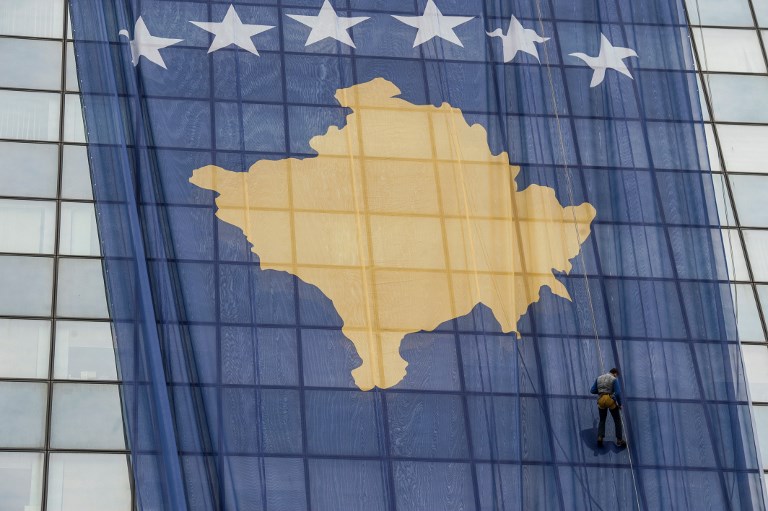
While the European Union is currently discussing the details to better protect whistleblowers at the EU level, Kosovo steps out introducing one of the most advanced laws in Europe to protect whistleblowers. Government of Kosovo has passed the draft law to the General Assembly for adoption on 14 June this year. The General Assembly will be voting on adoption in autumn this year. Being one of the top countries in struggle against corruption, as reported by the Freedom House, the aim of this legislation is to safeguard the possibility to inform and report wrongdoings inside the companies while ensuring the possibility to…

Spain: Photojournalist Jordi Borrás attacked in Barcelona

The European and International Federation of Journalists (EFJ/IFJ) joined their Spanish affiliates in condemning the physical attack against photojournalist Jordi Borrás on 16 July after his coverage of a political event in Barcelona. Both Federations demand an immediate investigation on the attack and hold the aggressor accountable. According to the Federación de Sindicatos de Periodistas (FeSP) statement, the photojournalist, working for the newspaper El Món, was walking through Barcelona’s city center after a political event, when a man recognised him and approached him shouting “viva Franco” and “viva España”. Then, the man assaulted the photojournalist and punched him in the face. Borrás…

Italy: Several journalists facing threats related to their stories

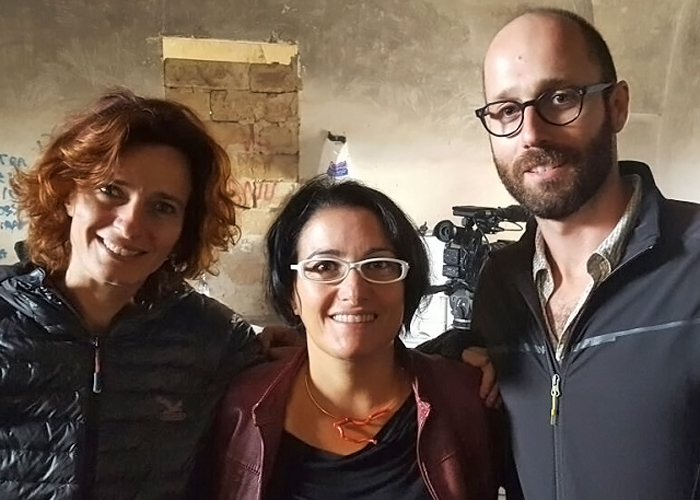
The European and International Federations of Journalists (EFJ/IFJ) have raised their concerns over the repetitive attacks and acts of intimidation against journalists in Italy in the last few weeks. They stand in solidarity with their Italian affiliate, the Federazione Nazionale Della Stampa Italiana (FNSI), and the Italian journalists who are experiencing those threats. On 12th of July investigative journalist Marilù Mastrogiovanni of Apulian newspaper Il Tacco was targeted with death threats flooding her work email. Il Tacco reported that this was not the journalist’s first case of intimidation, and that the level of protection for her and her family had been increased. The local authorities are investigating the…

Examining and assessing PSM editorial guidelines of the Western Balkans

A new publication on editorial guidelines or codes of conduct in the public service media of the Western Balkans was drafted by Renate Schroeder, director of the European Federation of Journalists (EFJ), and presented during a launching event of the EU-funded project “Technical Assistance to Public Service Media in the Western Balkans” in Tirana, Albania, in June 2018. The project is managed by the International Federation of Journalists (IFJ) in close cooperation with the European Broadcasting Union (EBU), in collaboration with the EFJ, Austrian public broadcaster ORF, the Balkan Investigative Reporting Network and the Office of the Eurovision News Exchange…

Belarus: Freelance journalist Dzmitry Halko sentenced to four years in low-security prison colony

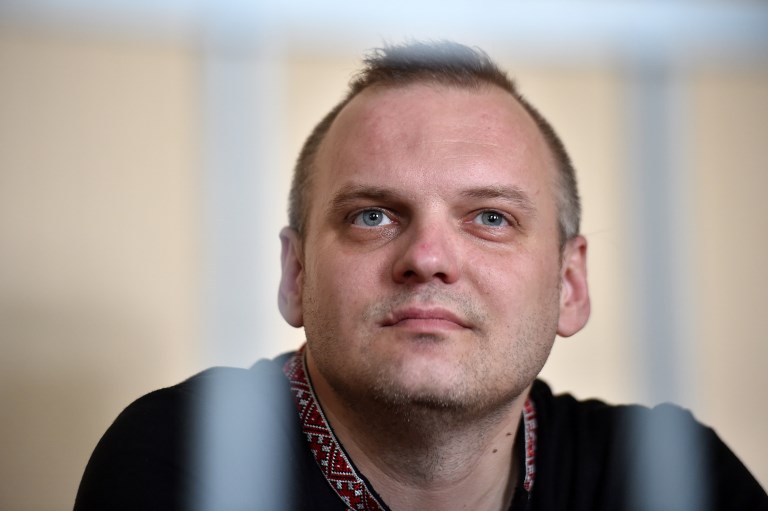
UPDATE 10.10.2018 Dzmitry Halko, the freelance journalist on trial after allegedly assaulting a police officer in November 2017, was sentenced to four years in a low-security prison colony and will have to pay a compensation of 850 Belarusian rubles to the victims, reports the Belarus Association of Journalists (BAJ). In July Halko appealed the decision and was released from pre-trial detention. However, yesterday the Minsk City Court ruled to send the journalist to a labor camp, upholding the 4-year prison sentence imposed on him this summer. The EFJ supports BAJ in strongly condemning the decision of Belarusian legislative authorities against the journalist Dzmitry Halko. ——————————————– Freelance journalist Dzmitry Halko…