Czech Republic: Public media funding bill raises concerns over compatibility with EMFA

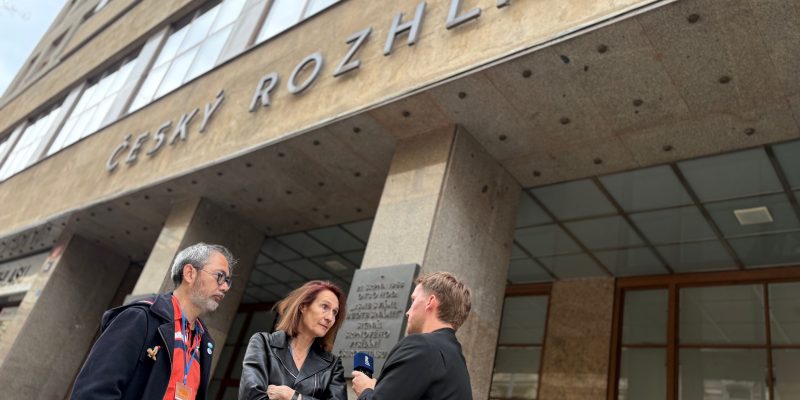
A new government bill which would overhaul the funding model for the Czech public media risks financially weakening the broadcasters, eroding safeguards for their financial independence and violating European Media Freedom Act (EMFA), the undersigned Media Freedom Rapid Response (MFRR) partners, the European Federation of Journalists (EFJ) and other media freedom, journalist and freedom of expression organisations warn today. Our organisations call on the European Commission to closely assess this bill regarding its compatibility with Article 5 of EMFA and to ensure that no reforms are undertaken which threaten the financial, editorial or institutional independence of the Czech public media.…
Serbia: “The safety of journalists remains an issue of concern”

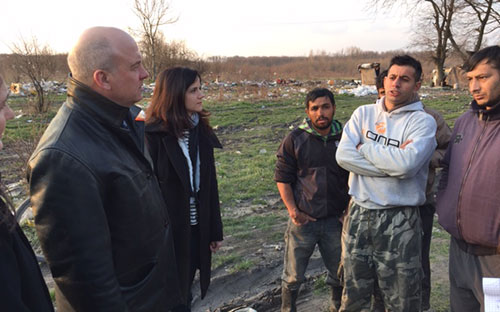
The European Federation of Journalists (EFJ) welcomes today the release of the report of the Council of Europe Commissioner for Human Rights Nils Muižnieks, at the end of his visit to Serbia from 16 to 20 March. “As regards media freedoms, the Commissioner welcomes the adoption in August 2014 of three important media laws aiming to ensure media pluralism and transparency of ownership. However, the Commissioner regrets that the implementation of these laws and other media-related issues are being discussed in a highly polarised and politicised context.” “While urging the authorities to refrain from any actions and statements which may have a…

IFJ and EFJ condemn repressive actions against journalists in Crimea

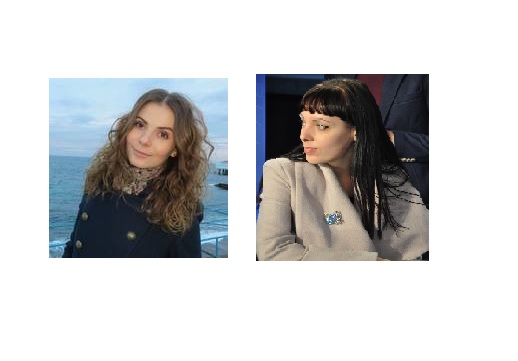
The International Federation of Journalists (IFJ) and its regional organisation, the European Federation of Journalists (EFJ), today accused the Russian Federal Security Service (FSB) in Crimea of harassment and intimidation against independent media after journalist Natalya Kokorina (pictured on the left) was detained last Friday for six hours and denied access to legal assistance while her colleague Anna Andrievska (pictured on the right) is facing anti-state charges in relation to an article she wrote in 2014. The two journalists have worked at the news portal of the Crimean Centre for Investigative Journalism, in charge of providing journalistic training. After the…

Corruption in the media is killing ethical journalism, says EJN

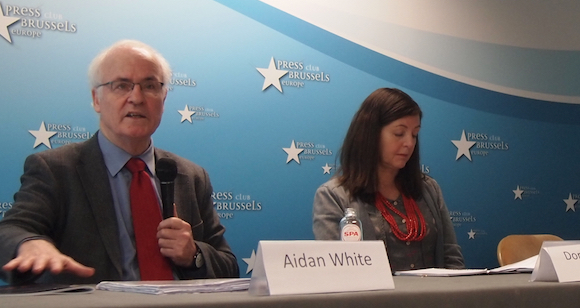
The European Federation of Journalists (EFJ) has today (16/03/2015) attended at the Press Club Brussels the presentation of a new report called Untold Stories – How Corruption and Conflicts of Interests Stalk the Newsroom published by the Ethical Journalism Network (EJN), a global coalition of 50 journalism and media support groups, including the EFJ. The EJN published report is gathering data and stories from distinguished journalists from 18 countries representative of different regions (Western Balkans, Colombia, Denmark, Egypt, India, Malaysia, Mexico, Nigeria, Philippines, Turkey, UK and Ukraine) that exposes how media managers are doing “deals” with advertisers to carry paid-for material disguised as news, how…

Belarus: EFJ reiterates appeal to lift ban on freelance journalists

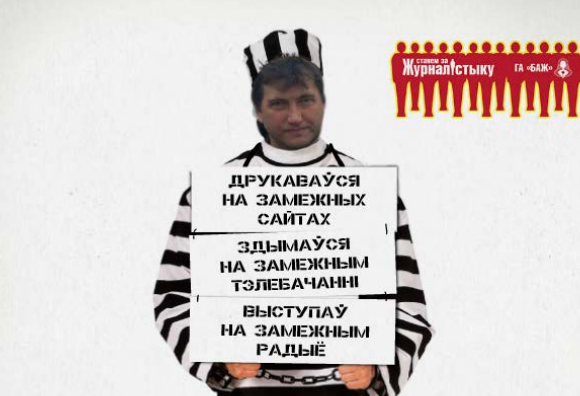
The European Federation of Journalists has sent a letter to the Minister of Information of Belarus demanding to abolish the provision in a media law forbiding freelance journalists from practicing journalism in the country. According to the Mass Media Law in Belarus, freelance journalists are banned from reporting in the country. The law only recognises employed journalists working for major media organisations in Belarus. Foreign journalists who are working in Belarus on assignments can also get press accreditations at the Ministry of Foreign Affairs of Belarus. The EFJ proposed to the government to organise a round table discussion with all…

Greece: Public broadcaster ERT to reopen mid-April

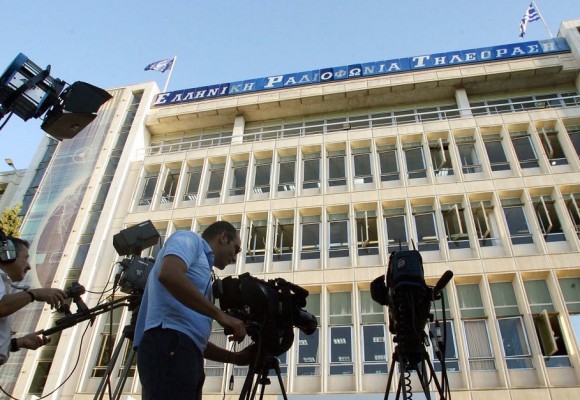
The European Federation of Journalists (EFJ) has learned today that a draft bill for the reopening of public broadcaster ERT was made available for public consultation on Monday (09/03/2015) and is expected to be submitted in a consultation committee of the Greek Parliament in the coming days. The bill calls for the re-enforcement of the work agreements that were valid up until June 11, 2013, the day when the public broadcaster was shut down, meaning that all those who were made redundant then and would still like their job back will be rehired on the time related terms of the…

Greece: Public broadcaster ERT to reopen mid-April

The European Federation of Journalists (EFJ) has learned today that a draft bill for the reopening of public broadcaster ERT was made available for public consultation on Monday (09/03/2015) and is expected to be submitted in a consultation committee of the Greek Parliament in the coming days. The bill calls for the re-enforcement of the work agreements that were valid up until June 11, 2013, the day when the public broadcaster was shut down, meaning that all those who were made redundant then and would still like their job back will be rehired on the time related terms of the…

The EFJ celebrates the courage of women journalists

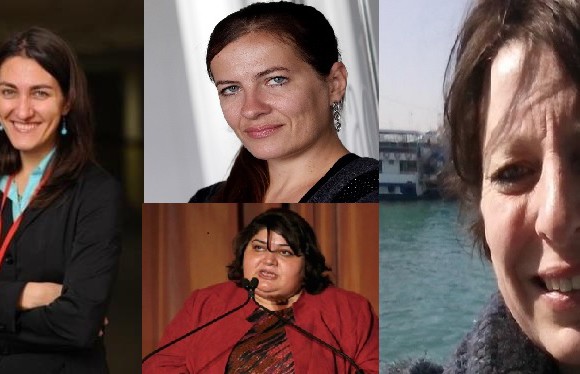
The European Federation of Journalists (EFJ) marks 8 March, International Women’s Day, by celebrating the courage of women journalists across Europe. The EFJ supports the International Federation of Journalists (IFJ) campaign calling for access to leadership in unions and media organisations for women. A recent report from the European Institute for Gender Equality (EIGE) concluded that “persistent gender inequalities in the media sector can be challenged by advancing women in decision-making.” “While women have considerably outnumbered men in university level and practice-based journalism programmes and women are employed in media professions in ever-increasing numbers, the organisational culture of media organisations remains largely masculine, and women are still significantly…

Who owns the media?

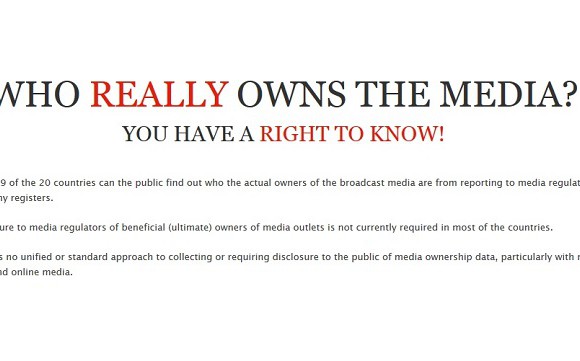
Who owns the media? Whose interest do they serve? The answers to these questions are difficult reach. To improve media ownership transparency, the European Federation of Journalists (EFJ) has endorsed a campaign launched by Access Info Europe for transparent and easy access to information about media ownership. According to Access Info Europe, a non-governmental organisation promoting access to information, only 9 European countries can the public find out who the actual owners of the broadcast media are from reporting to media regulators or to company registers. This is because disclosure to media regulators of beneficial (ultimate) owners of media outlets…

World Press Freedom Day 2015: Press for More Award opens for application

The European Federation of Journalists (EFJ) together with a group of media associations have joined the Brussels Platform for Journalism and iMinds, a Brussels-based digital research institute, to launch the Press for More Award meriting entrepreneurial and innovative ways of doing journalism. The prize will go to an individual or organisation that has created an impact on improving quality of journalism through new ways of reporting, storytelling, investiations, interactions, platforms, projects, tools, services, products, business models, etc. Winner of the award will be given 10.000€ on the World Press Freedom Day on 3 May 2015 to further develope the initiative…

Freelance journalists need more freedom, campaign and organisation

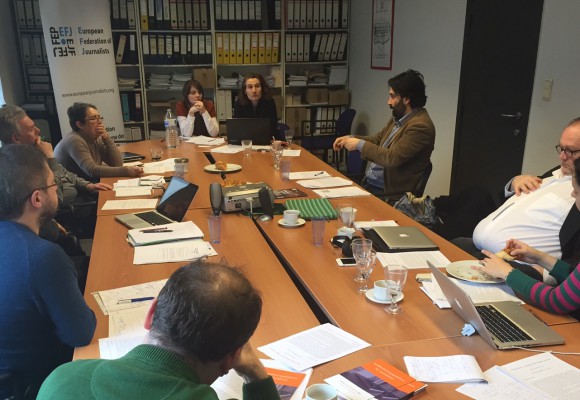
The Freelance Expert Group (FREG) of the European Federation of Journalists (EFJ) agreed at its latest meeting in Brussels (26/02/2015) to reinforce its campaign to improve the social and professional status of freelance journalists in Europe. The EFJ experts reached an agreement on two major issues: All freelance journalists are journalists and have the right to be member of a trade union or professional association. They have the right to be represented and defended by the organization of their choice. This may seem to be an obvious fact but in several European countries – such as EU member states Greece and…

Belgium: Defending journalists’ rights in a federal system

On Saturday (28/02/2015), the Association des journalistes professionnels (AJP, representing the journalists in the French and German speaking part of Belgium) and the Vlaamse vereniging van journalisten (VVJ, representing the journalists in the Dutch speaking part of Belgium), both EFJ affiliates under the federal umbrella organization called AGJPB-AVBB, held their annual congress at the House of Journalists in Brussels. Unlike many other countries in Europe, AJP and VVJ are not classical trade union organisations but they are registered as non-profit professional unions. They are considered by the authorities and other civil society organisations as the legitimate representative of professional journalists and…

The IFJ and the EFJ mourn death of Ukrainian journalist

The International Federation of Journalists (IFJ) and the European Federation of Journalists (EFJ) are deeply saddened by the death of Ukrainian journalist Sergii Nikolaiev, 43, in eastern Ukraine, on Saturday. Sergii Nikolaiev, senior photographer of Segodnya daily Ukrainian newspaper, died of wounds after an artillery attack near the village of Pesky located just 1.5 kilometer from Donetsk airport, in eastern Ukraine, on February 28. He has become the first Ukrainian journalist killed in eastern Ukraine and the seventh one of the entire journalists’ death toll of this war. Five journalists from Russia and one from Italy were killed in this war last…

EFJ and IFJ back Ukraine Russian dialogue to counter harassment and intimidation of journalists

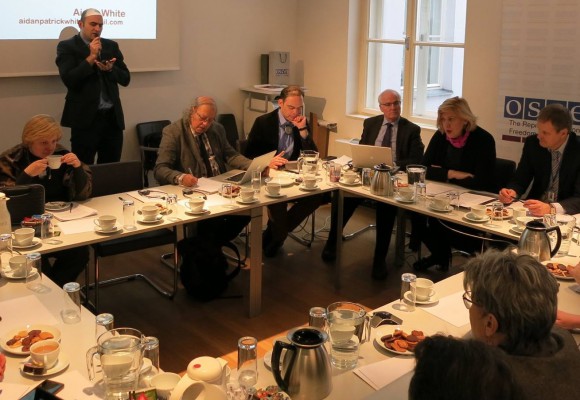
The International Federation of Journalists (IFJ) and the European Federation of Journalists (EFJ) pledged their support to the ongoing dialogue between the Ukraine and Russian journalists unions under the auspices of Dunja Mijatovic, Representative on Freedom of the Media for the OSCE. IFJ President, Jim Boumelha, participated in the fifth Ukraine / Russian dialogue meeting in Vienna 25 February, where the Russian Union of Journalists, the National Union of Journalists of Ukraine and the Independent Media Trade Union of Ukraine met to review the situation facing journalists attempting to report the conflict in Eastern Ukraine. “The conflict, violence and war…

nilsmul

Nils Muižnieks (CoE) ready to strenghten synergies with EFJ-IFJ for media freedom

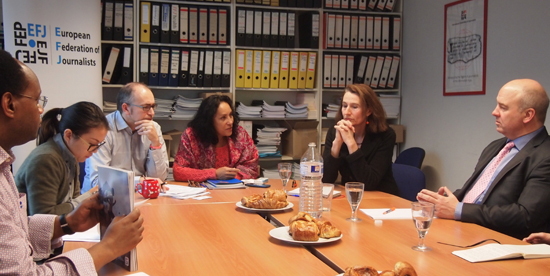
The growing trend of legal restrictions on journalists and media in Europe is an issue of concern raised in a meeting today (26/02/2015) with the Council of Europe Commissioner for Human Rights, Nils Muižnieks, the European Federation of Journalists (EFJ) and the International Federation of Journalists (IFJ). The EFJ presented an exclusive survey on the legal restrictions facing journalists and media. The discussion showed that journalists are most concerned by laws on data retention, protections of sources, anti-terrorism laws, privacy and defamation. The EFJ and its affiliates expressed concerns that such trend of legal restrictions is growing in the climate of fear…

Macedonia: over 100 journalists illegally tapped

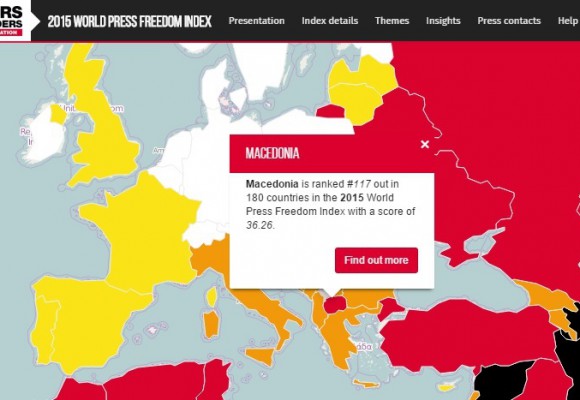
Macedonian government stands accused of tapping the phones of over 20,000 citizens, including more than 100 journalists. The European Federation of Journalists (EFJ) and its Macedonian affiliates, the Trade Union of Macedonian Journalists and Media Workers (SSNM) and the Association of Journalists of Macedonia(ZNM), expressed grave concerns about the publicly announced allegations of the unauthorised mass surveillance of journalists and citizens. Zoran Zaev, leader of the center-left opposition party (Social Democratic Union of Macedonia – SDSM), has released yesterday many details on the mass wire-tapping of more than 100 Macedonian journalists for more than three years. “This violation of privacy directly affects…

Why do they leave journalism?

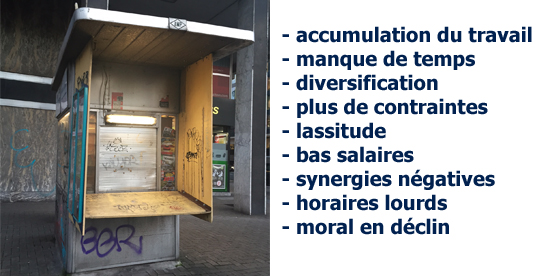
“Why do they leave journalism?” – This is the question asked to 38 former journalists by journalism student Hélène Brédart in a project initiated at the Université de Liège and reproduced by Jean-François Dumont of the Belgian Association of Professional Journalists (AJP, member of EFJ). The results of the project published in the latest edition of the monthly Journalistes by the AJP show that the deteriorating working conditions and practices in journalism make are major reason why journalists left the profession. The most frequently mentioned reasons for journalists to leave their job are: • Increasing workload: The digital development and restructuring measures are putting…